10 Warning Signs You May Be Eating Too Much Added Sugar
There isn’t a single symptom that proves you’re eating too much sugar. However, a diet high in added sugars can contribute to several noticeable problems and increase the risk of obesity, type 2 diabetes, heart disease, and tooth decay.
Here are 10 signs worth paying attention to:
Frequent cravings for sweet foods — especially if you regularly want dessert, candy, or sugary drinks.
Energy highs and crashes — you may feel temporarily energized after a sugary food or drink and then tired later.
Feeling hungry soon after eating — sugary foods that are low in protein and fiber may not keep you full for long.
Unintentional weight gain — excess calories from sugary foods and beverages can contribute to weight gain.
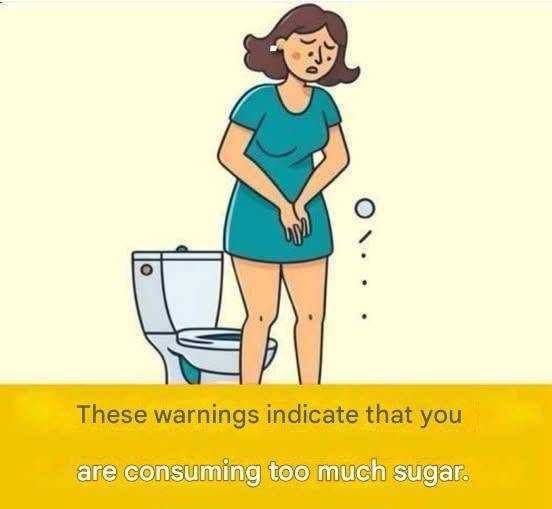
More thirst or frequent urination — these can be symptoms of high blood glucose and shouldn’t simply be blamed on sugar intake.
Dental problems — frequent exposure to sugars increases the risk of tooth decay.
Difficulty controlling portions — highly palatable sweet foods can make it harder to stop eating.
Poor overall diet quality — a lot of added sugar can displace more nutritious foods.
Higher triglycerides or blood glucose — these are measurable effects that may occur with an unhealthy diet, although they aren’t symptoms you can reliably detect yourself.
Feeling dependent on sweetened drinks or foods — needing sugary foods or beverages throughout the day can be a useful signal to examine your eating pattern.
How much sugar is too much?
The American Heart Association recommends limiting added sugar to no more than about 25 g (6 teaspoons) per day for most women and 36 g (9 teaspoons) for men. These limits refer to added sugars, not the naturally occurring sugars in whole fruit or plain milk.
Check labels for ingredients such as sucrose, glucose syrup, corn syrup, honey, and other added sweeteners.
One important distinction
Eating fruit doesn’t have the same nutritional impact as drinking a sugary soda. Whole fruits contain fiber, water, vitamins, and minerals, which slow digestion and make them substantially different from foods and beverages containing large amounts of added sugar.
Bottom line: Don’t diagnose yourself based on cravings or fatigue alone. If you’re experiencing excessive thirst, frequent urination, unexplained weight loss, blurred vision, or persistent fatigue, ask a healthcare professional about checking your blood glucose, rather than assuming it’s simply from eating too much sugar.