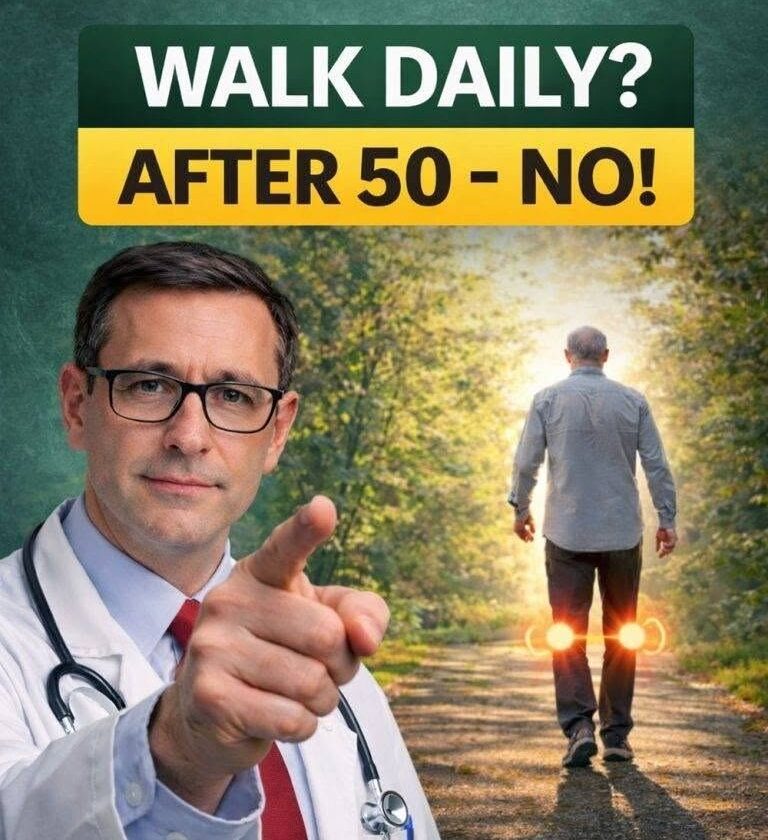
If you want the details behind this headline, the useful takeaway is that walking is generally excellent exercise after 50, but certain habits can increase the risk of pain, falls, or reduced fitness.
7 walking mistakes to avoid after 50
- Walking in worn-out shoes
Poorly cushioned or unstable footwear can contribute to foot, knee, and hip discomfort. Replace shoes when the soles or cushioning are significantly worn. - Starting too fast
Going from little activity to long, fast walks can cause muscle or tendon injuries. Build duration and pace gradually. - Ignoring pain
Mild muscle fatigue is different from persistent or sharp pain. Continuing to walk through significant pain can make an injury worse. - Having poor posture
Looking down constantly, hunching the shoulders, or taking an awkward stride can affect balance and comfort. Keep your head up, shoulders relaxed, and stride natural. - Not paying attention to balance
Uneven surfaces, poor lighting, and rushing can increase fall risk. Choose safe walking routes and slow down when necessary. - Only walking and never strengthening
Walking provides valuable aerobic activity, but adults also benefit from muscle-strengthening and balance exercises. These become particularly important with aging. - Doing too much too soon
More isn’t automatically better. A sustainable routine—such as gradually working toward regular moderate-intensity activity—is generally preferable to occasional very long walks.
A simple approach
For many adults over 50, aim for regular walking at a comfortable-to-moderate intensity, increase your distance gradually, and include strength and balance work during the week. The CDC recommends adults get at least 150 minutes of moderate-intensity aerobic activity per week, plus muscle-strengthening activity on at least 2 days.
If you have chest pain, unusual shortness of breath, dizziness, or significant leg pain/swelling while walking, don’t simply push through it—get medical advice.