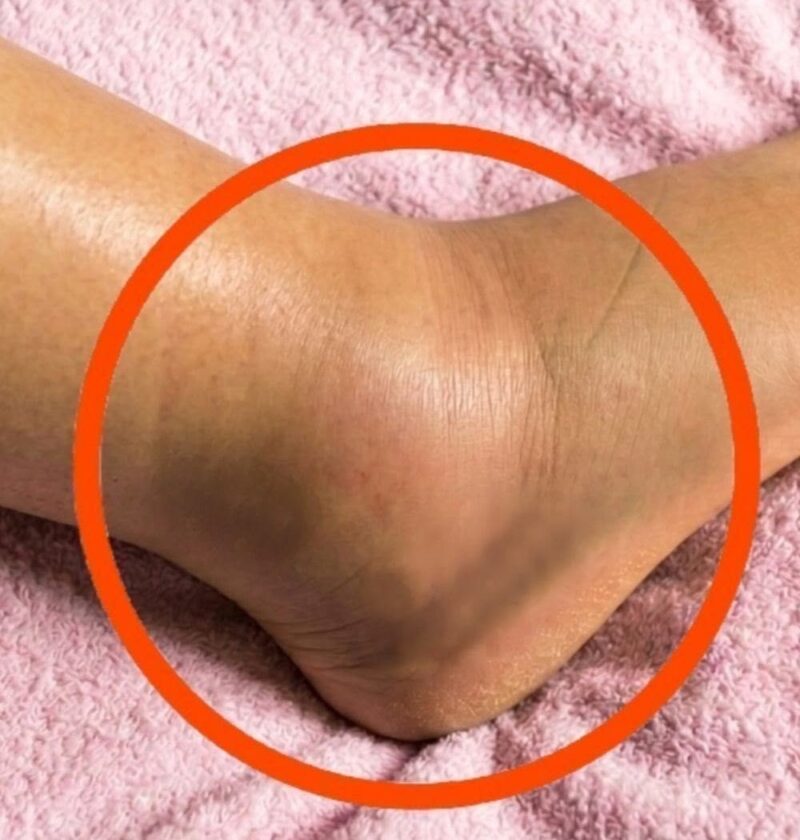
That “See more…” line is another clickbait-style hook. Swollen legs can mean several different things—not just one diagnosis like “cancer” or anything dramatic.
🦵 Swollen legs (edema): what it can actually mean
Swelling happens when fluid builds up in tissues, and the causes range from mild to serious.
🟢 Common and less serious causes
- Standing or sitting for long periods
- Hot weather
- High salt intake
- Pregnancy
- Minor injury or muscle strain
🟡 Medical causes that need attention
Swollen legs can also be linked to conditions such as:
- Heart problems (fluid buildup due to poor pumping)
- Kidney disease (fluid retention due to poor filtering)
- Liver disease (low protein levels affecting fluid balance)
- Venous insufficiency (weak leg veins causing pooling)
- Certain medications (like blood pressure drugs or steroids)
These are often seen in conditions like Heart failure or Chronic Kidney Disease.
🚨 Warning signs to take seriously
Seek medical advice if swelling:
- Happens suddenly in one leg
- Is painful, red, or warm (possible clot)
- Comes with shortness of breath or chest pain
- Doesn’t improve after rest
💡 Key takeaway
Swollen legs are a symptom, not a diagnosis. It can be harmless (like standing too long) or a sign of an underlying health issue that needs treatment.
If you want, I can explain how to tell the difference between normal swelling and dangerous swelling at home.