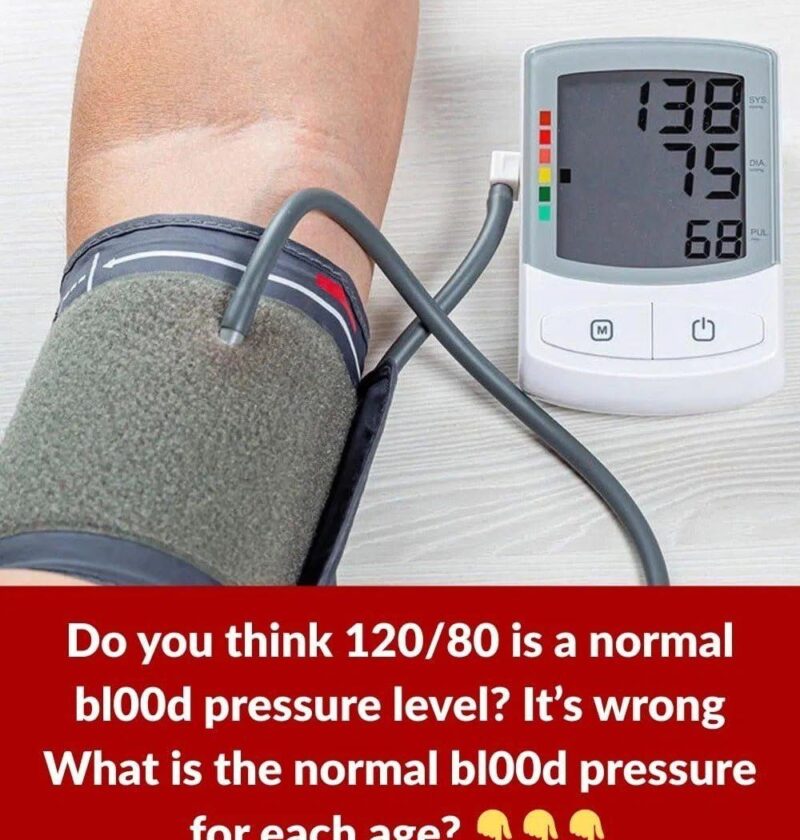
What Is the Normal Blood Pressure for Each Age?Blood pressure does not have one exact “normal” number for each age. In adults, the general goal is usually to keep blood pressure below 120/80 mmHg, but healthy targets can vary depending on overall health, medications, and medical conditions.
Blood pressure is measured as:
- Systolic (top number): pressure when the heart contracts
- Diastolic (bottom number): pressure when the heart relaxes
General Adult Blood Pressure Ranges
| Age group | Common healthy range (approximate) |
|---|---|
| 18–39 years | Around 90–120 / 60–80 mmHg |
| 40–59 years | Around 90–120 / 60–80 mmHg (individual targets may vary) |
| 60–79 years | Often aimed near below 130/80 mmHg for many people, depending on health status |
| 80+ years | Targets are individualized; many older adults aim for a safe range that avoids both high pressure and dizziness/falls |
Blood Pressure Categories (Adults)
- Normal: Less than 120/80 mmHg
- Elevated: 120–129 systolic and less than 80 diastolic
- High blood pressure (Stage 1): 130–139 systolic or 80–89 diastolic
- High blood pressure (Stage 2): 140 or higher systolic or 90 or higher diastolic
(Definitions can vary slightly between medical guidelines and countries.)
Important Considerations for Older Adults
For older people, doctors often consider more than the number alone, including:
- Overall health and other medical conditions
- Risk of falls or dizziness
- Kidney function
- Heart health
- Current medications
A blood pressure that is “normal” for one person may be too low or too high for another.
When to Seek Medical Advice
Contact a healthcare professional if you repeatedly have:
- Readings around 140/90 or higher
- Very low readings with dizziness, fainting, or weakness
- Sudden very high blood pressure with symptoms such as chest pain, severe headache, confusion, or shortness of breath
For the most accurate reading, measure after sitting quietly for a few minutes, with your arm supported, and take multiple readings on different days rather than relying on a single measurement.