Diabetes Symptoms at Night: 7 Possible Signs of High Blood Sugar
The idea that high blood sugar only becomes worse after 10 p.m. is not accurate. Blood glucose can rise or fall at different times depending on meals, medications, hormones, stress, sleep, and individual health. However, some people with diabetes may notice symptoms more at night because they are less distracted and because blood sugar changes can disturb sleep.
7 nighttime signs that may be linked to high blood sugar
1. Waking up often to urinate (nocturia)
When blood sugar is high, the kidneys may try to remove excess glucose through urine, leading to:
- Frequent nighttime bathroom trips
- Increased urine volume
2. Excessive thirst at night
Fluid loss from frequent urination can cause:
- Dry mouth
- Strong thirst
- Drinking water repeatedly overnight
3. Night sweats or feeling overheated
Blood sugar swings (including drops in blood sugar) can sometimes cause:
- Sweating
- Shaking
- Restlessness
4. Poor sleep or frequent waking
Blood glucose fluctuations may contribute to:
- Difficulty staying asleep
- Feeling tired despite enough time in bed
5. Increased hunger late at night
Some people with uncontrolled diabetes experience hunger because glucose is not being used properly by the body’s cells.
6. Blurred vision or headaches
Changes in blood sugar can affect fluid balance in the eyes and may cause temporary blurry vision or discomfort.
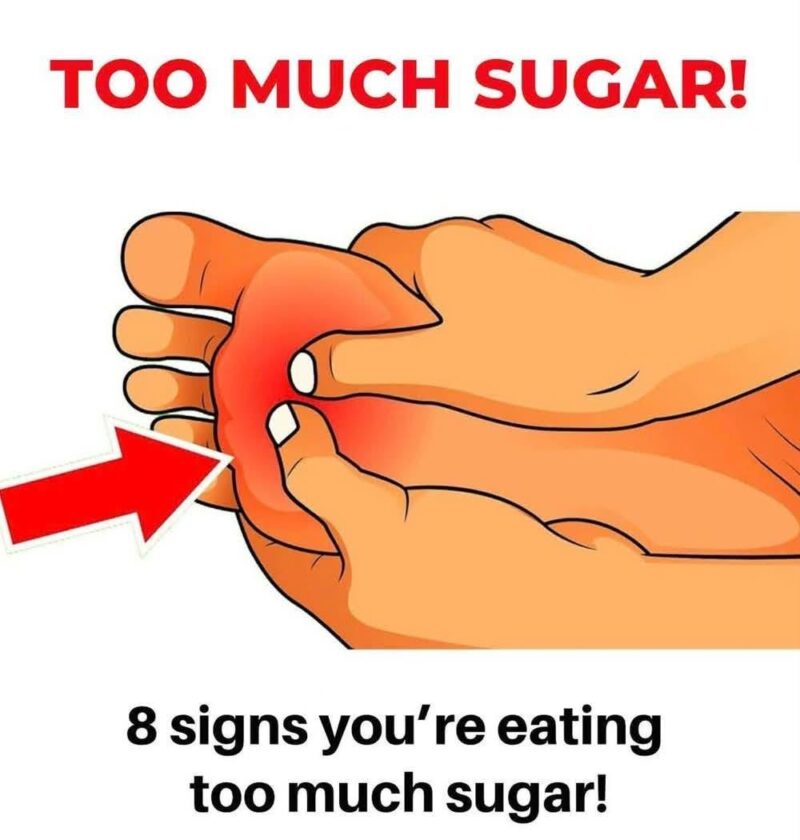
7. Tingling, burning, or numbness in feet
Long-term high blood sugar can damage nerves, often affecting the feet and legs first. Symptoms may be more noticeable at night when lying still.
What you can do
- If you have symptoms, consider checking blood glucose if you have a meter.
- Keep regular medical appointments and ask about tests such as HbA1c.
- Maintain balanced meals, regular activity, and prescribed medications if you have diabetes.
- Avoid assuming symptoms are always caused by sugar—many other conditions can cause similar problems.