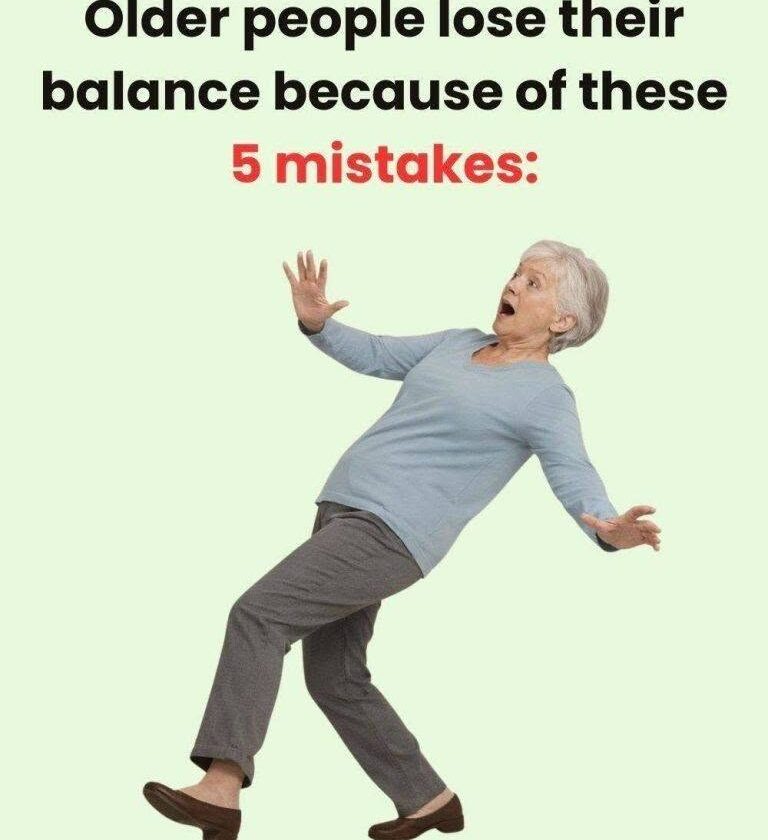
Common Mistakes That Affect Balance in Older Adults
Balance often changes with age, but many factors that increase the risk of falls can be improved. Small daily habits, home setup, and health choices can make a big difference in staying steady and independent.
1. Avoiding exercise because of fear of falling
It is understandable to be cautious after a fall, but avoiding movement can lead to weaker muscles and poorer balance.
Better approach: Include safe activities such as walking, strength exercises, and balance training (with support if needed).
2. Not strengthening leg muscles
Weak legs and hips can make it harder to:
- Stand up from a chair
- Climb stairs
- Recover from a stumble
Better approach: Simple exercises like sit-to-stands, heel raises, and supported squats can help maintain strength.
3. Wearing unsafe footwear
Loose slippers, worn-out shoes, or slippery soles can increase fall risk.
Better approach: Choose comfortable, supportive shoes with good grip and a secure fit.
4. Ignoring vision problems
Poor vision can make it harder to judge steps, obstacles, and uneven surfaces.
Better approach: Have regular eye checks and update glasses or vision treatment when needed.
5. Taking medications without reviewing side effects
Some medicines can contribute to:
- Dizziness
- Sleepiness
- Low blood pressure
- Confusion
Better approach: Ask a healthcare professional to review your medications, especially if you notice new balance problems