What Is a Normal Blood Pressure at Each Age?
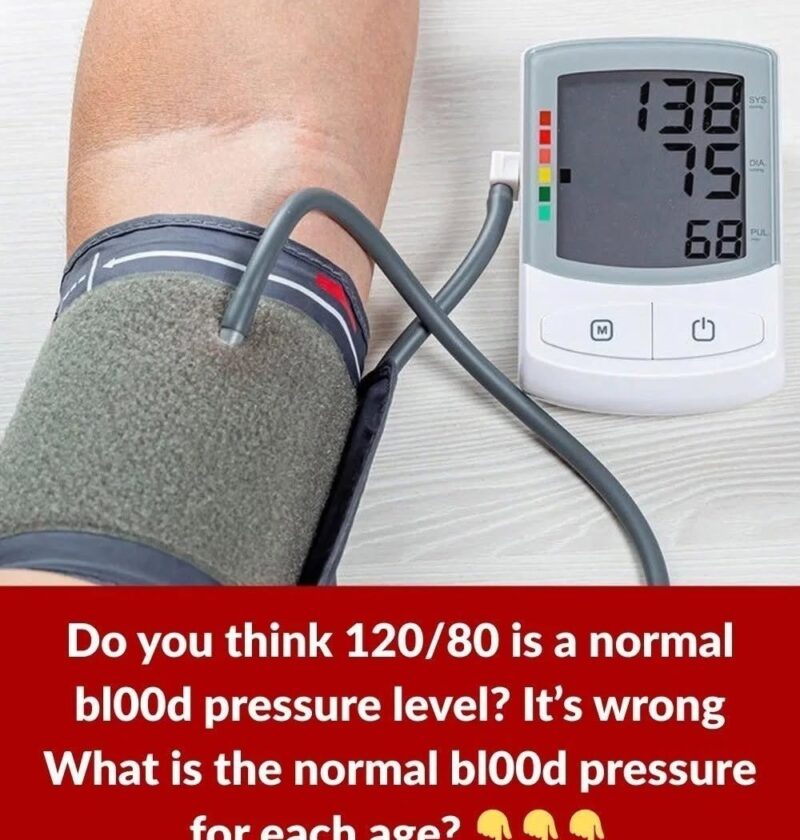
A common misconception is that there is a different “normal” blood-pressure number for every adult age. For adults, the current guideline uses the same normal category regardless of age: below 120/80 mmHg. (professional.heart.org)
| Age | Normal/healthy blood pressure |
|---|---|
| Children under 13 | Depends on age, sex, and height; there is no single number. (NHLBI, NIH) |
| Teenagers 13–17 | Generally assessed using pediatric/adolescent criteria and individual factors |
| Adults 18–64 | <120/80 mmHg |
| Adults 65+ | <120/80 mmHg is still considered normal; treatment goals may be individualized depending on health and circumstances. (professional.heart.org) |
🩺 Adult blood-pressure categories
- Normal: under 120/80
- Elevated: 120–129 and under 80
- Stage 1 hypertension: 130–139 or 80–89
- Stage 2 hypertension: 140 or higher or 90 or higher (professional.heart.org)
One reading doesn’t necessarily diagnose hypertension. Blood pressure naturally fluctuates, so repeated measurements taken correctly are important. (www.heart.org)
🚨 When is it dangerously high?
A reading above 180 systolic and/or 120 diastolic is severely high. If it occurs with symptoms such as chest pain, shortness of breath, weakness, numbness, vision changes, or difficulty speaking, seek emergency medical care. (www.heart.org)
Important: Older age does not automatically make a blood pressure such as 150/90 “normal.” High blood pressure remains a health concern at any adult age.