Hydration
💧 What Happens When Your Body Doesn’t Get Enough Hydration?
Your body needs water for blood circulation, temperature regulation, digestion, joint lubrication, and normal kidney function. When you lose more fluid than you replace, dehydration develops. Even mild dehydration can make you feel unwell, while severe dehydration can become a medical emergency. (medlineplus.gov)
1. 🥵 You may become very thirsty
Thirst is one of the body’s earliest signals that it needs more fluid. However, thirst isn’t always a reliable early warning, particularly in older adults. (medlineplus.gov)
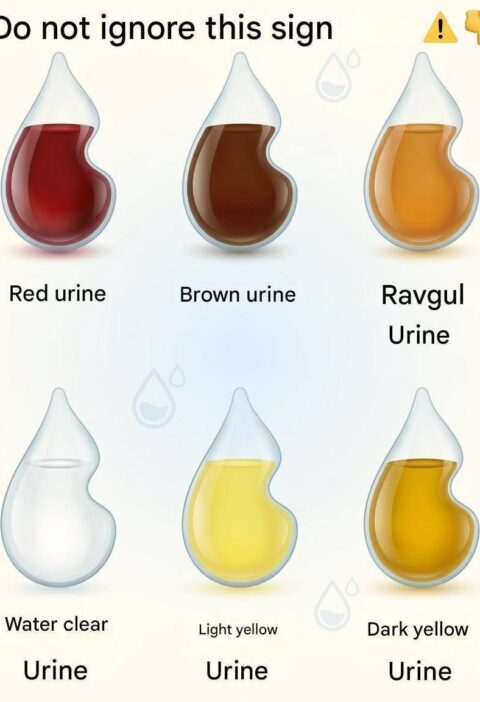
2. 🚽 Your urine may become darker
When your body is conserving water, urine can become darker yellow and more concentrated. Urine color can provide a rough clue about hydration, although medications, foods, and other factors can also change its color.
3. 😴 Fatigue and weakness can develop
Dehydration can contribute to tiredness, weakness, dizziness, and reduced physical performance. (medlineplus.gov)
4. 🧠 You may have trouble concentrating
Fluid loss can affect how you feel and perform mentally. Headaches and difficulty concentrating can occur, particularly as dehydration becomes more significant.
5. 🤕 Headaches or dizziness
Reduced fluid intake or excessive fluid loss can contribute to headaches and lightheadedness. Dizziness may become particularly noticeable when standing.
6. 🫀 Your heart may work harder
With significant dehydration, blood volume can decrease, which may cause the heart rate to increase and blood pressure to fall. Severe dehydration can impair circulation. (medlineplus.gov)
7. 🚽 You may urinate less
The kidneys conserve water when you’re dehydrated, so urine output can decrease. Very little or no urine can be a warning sign of severe dehydration or another medical problem.
8. 💪 Muscle cramps may occur
Fluid and electrolyte losses—particularly during heavy sweating, vomiting, or diarrhea—can contribute to muscle cramps and weakness.
9. 🫘 Your kidneys can be affected
Severe or prolonged dehydration can reduce blood flow to the kidneys and contribute to acute kidney injury. People with existing kidney problems may be particularly vulnerable.
🚨 Signs of severe dehydration
Get urgent medical attention if someone has confusion, fainting, extreme weakness, very little or no urination, rapid heartbeat, rapid breathing, or inability to keep fluids down. Severe dehydration can be life-threatening. (medlineplus.gov)