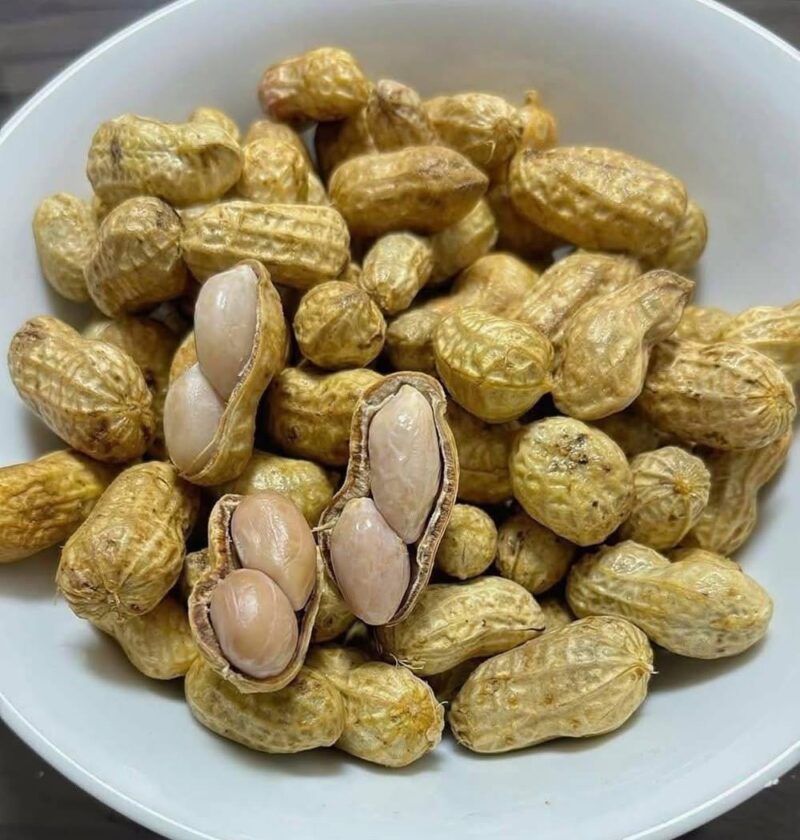
🥜 According to Doctors, Eating Peanuts May Lead To…?
Peanuts are not inherently unhealthy. For most people, they can be a nutritious source of protein, unsaturated fats, fiber, and several vitamins and minerals.
But there are a few important exceptions:
⚠️ 1. An allergic reaction
Peanuts are a major food allergen. In someone with peanut allergy, eating even a small amount can cause hives, swelling, vomiting, wheezing, difficulty breathing, or potentially life-threatening anaphylaxis. (U.S. Food and Drug Administration)
🦠 2. Exposure to aflatoxins
Peanuts can occasionally become contaminated with aflatoxins, toxins produced by certain molds. Regulatory agencies monitor foods for these contaminants, and you should discard peanuts that are visibly moldy, discolored, or shriveled. (MedlinePlus)
⚖️ 3. Extra calories if eaten in large quantities
Peanuts are energy-dense, so portions matter—particularly when they’re heavily salted, sugar-coated, or prepared with lots of added oils.
❤️ But peanuts can also be beneficial
For people without an allergy, peanuts can fit into a healthy diet. In fact, research supported by the NIH found that introducing peanut-containing foods during infancy, when appropriate, substantially reduced the later risk of developing peanut allergy. (National Institutes of Health)
Bottom line: The headline “eating peanuts may lead to…” shouldn’t automatically imply that peanuts cause a dangerous disease. The biggest concern is peanut allergy; for most people, moderate amounts of unsalted or minimally processed peanuts can be part of a healthy diet.