Common Mistakes That Affect Balance in Older Adults
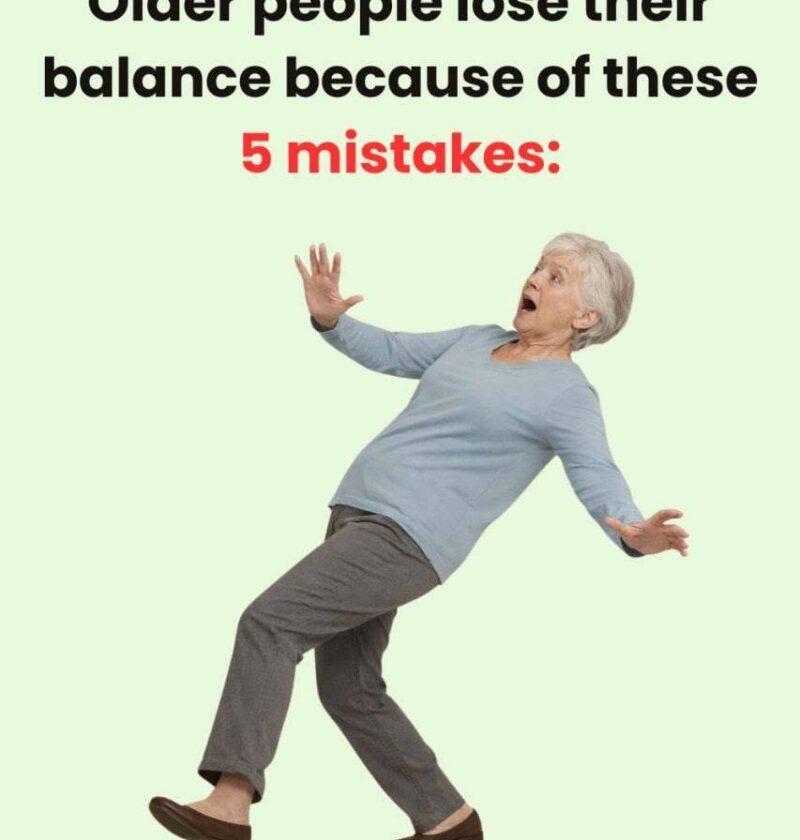
Balance problems aren’t simply something you have to accept as you get older. They can be related to medications, vision, inner-ear problems, muscle weakness, blood-pressure changes, foot problems, or medical conditions. (National Institute on Aging)
1. Becoming too inactive
Avoiding activity can contribute to weaker muscles and poorer balance. Appropriate strength and balance exercises, physical therapy, or tai chi can help. (CDC)
2. Standing up too quickly
A sudden drop in blood pressure when standing can cause dizziness or faintness. Get up gradually, especially after lying down or sitting for a long time. Adequate hydration may also help some people, depending on their medical conditions. (National Institute on Aging)
3. Ignoring medication side effects
Some medicines can cause dizziness, sedation, confusion, blurred vision, or low blood pressure, increasing fall risk. Have your medication list reviewed regularly rather than stopping medicines yourself. (CDC)
4. Neglecting vision
Even relatively small changes in vision can increase the risk of falling. Regular eye examinations and an up-to-date prescription can help. (National Institute on Aging)
5. Wearing unsafe footwear
Loose slippers, smooth soles and unstable footwear can make walking less secure. Shoes with a good fit, traction and a low heel are generally preferable. (National Institute on Aging)
6. Leaving trip hazards around the home
Loose rugs, electrical cords, clutter, slippery floors and poor lighting are common hazards. Improve lighting, clear walking paths and consider grab bars or handrails where appropriate. (CDC)
7. Ignoring repeated dizziness or falls
Recurring dizziness, vertigo, unsteadiness or falls deserve medical evaluation. Inner-ear disorders, medications, vision problems and cardiovascular or neurological conditions can all contribute. (National Institute on Aging)
8. Trying to “push through” worsening balance
If you’re becoming increasingly unsteady, don’t simply adapt by walking less. A healthcare professional can assess gait, strength, balance, blood pressure, medications, vision and footwear and determine whether physical therapy or an assistive device would help. (CDC)
🚨 When balance trouble is an emergency
Sudden loss of balance—especially together with facial drooping, weakness or numbness on one side, trouble speaking, sudden vision changes, or a severe headache—can indicate a stroke. Seek emergency medical attention immediately.
Bottom line: The best fall-prevention strategy is usually a combination of regular strength/balance activity, medication review, good vision, appropriate footwear and a safer home environment. (CDC)