“New Method: Colonoscopy Will No Longer Be an Invasive Examination” — Is That True?
Not quite. There are newer, less-invasive ways to screen for colorectal cancer, but they haven’t made conventional colonoscopy obsolete.
What’s new?
One promising development in 2026 is a blood-based colorectal-cancer test developed by Allegheny Health Network. A recent study reported that it detected about 90% of colorectal cancers and 81% of advanced adenomas. However, it is still being studied and should not currently be considered a replacement for colonoscopy. (Axios)
There are already non-invasive or minimally invasive alternatives:
- FIT stool test: done at home and checks for hidden blood.
- Stool DNA testing: looks for blood and certain DNA changes.
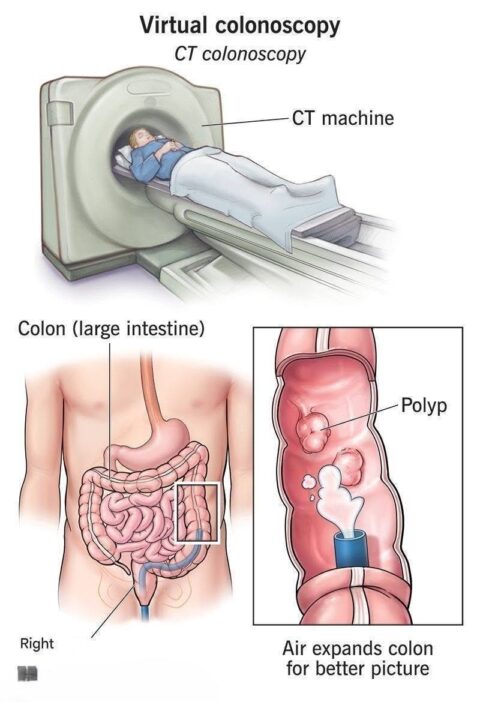
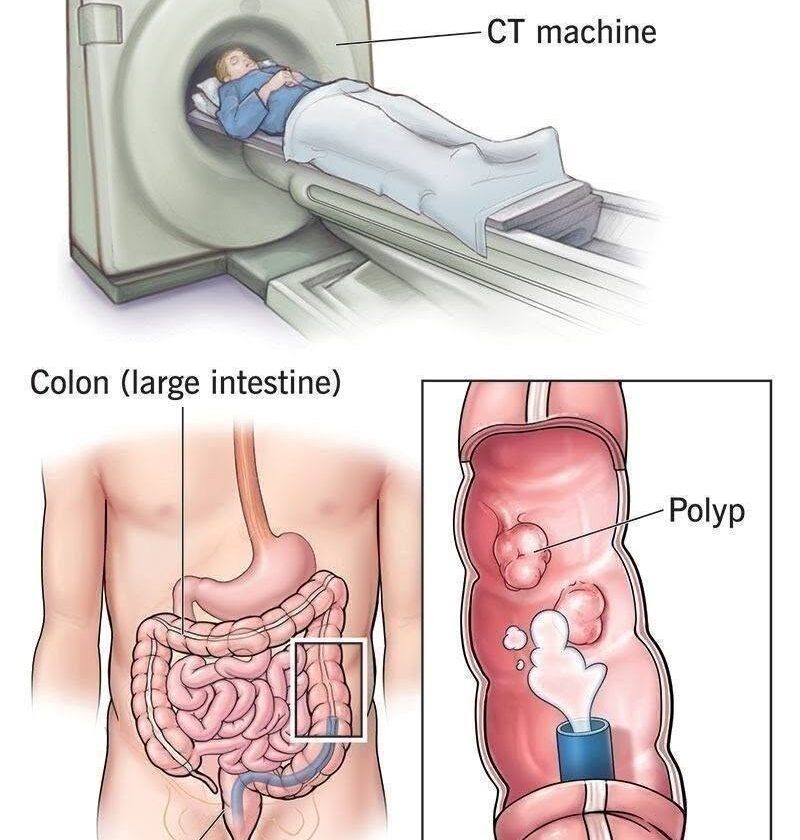
- CT colonography (“virtual colonoscopy”): creates images of the colon without inserting a conventional colonoscope. (Cancer.gov)
- Blood-based tests: an emerging option, but their role in routine screening is still developing. (Cancer.gov)
The important limitation
A stool or blood test can screen for cancer, but if the result is abnormal, a conventional colonoscopy will generally still be needed. Colonoscopy has a major advantage: doctors can see the entire colon and remove suspicious polyps during the same procedure. (Cancer.gov)
Bottom line
The headline is based on a real trend but exaggerates it. Non-invasive colorectal-cancer screening is improving rapidly, and newer blood tests are promising, but colonoscopy remains an important diagnostic and treatment procedure.
If this headline came from a specific article or video, send me part 2, and I can identify exactly which “new method” it is talking about and whether the claims are accurate.