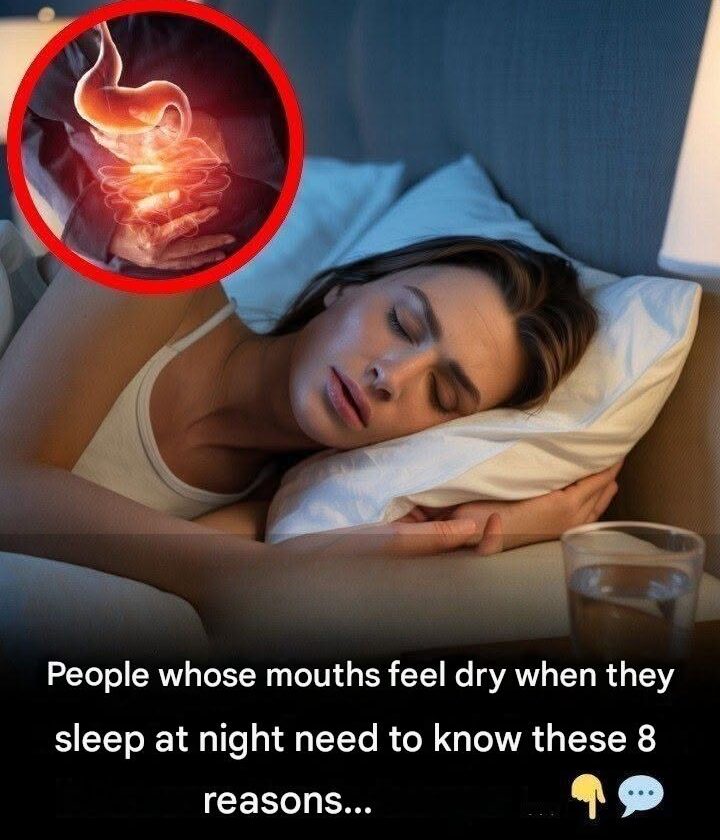
If your mouth feels very dry when you sleep or when you wake up, there are several possible explanations. Dry mouth (xerostomia) isn’t simply a normal part of aging, and persistent dryness can increase the risk of tooth decay, gum problems and oral infections. (NIDCR)
8 common reasons for dry mouth at night
1. Mouth breathing
A blocked nose, allergies, enlarged nasal tissues, or simply sleeping with your mouth open can dry the mouth overnight. (nhs.uk)
2. Sleep apnea
People with obstructive sleep apnea may breathe through their mouths during sleep. Loud snoring, gasping/choking during sleep, morning headaches, or excessive daytime sleepiness make this worth discussing with a doctor. (Sleep Foundation)
3. Dehydration
Not drinking enough fluids, heavy sweating, fever, vomiting or diarrhea can reduce available body fluids and contribute to dry mouth. (nhs.uk)
4. Medications
Hundreds of medicines can reduce saliva production. Common examples include some medicines for high blood pressure, depression, allergies, and bladder problems. (NIDCR)
5. Diabetes
Diabetes can cause dry mouth, particularly when blood glucose isn’t well controlled. Increased thirst and frequent urination can occur alongside it. (NIDCR)
6. Sjögren’s disease
This autoimmune disease can reduce saliva and tear production. Persistent dry mouth together with very dry eyes is an important clue. (NIDCR)
7. Alcohol, tobacco and excessive caffeine
These can contribute to dryness or make existing symptoms worse. (NIDCR)
8. Salivary-gland problems or certain medical treatments
Radiation treatment involving the head or neck, some cancer treatments, and damage affecting the nerves or salivary glands can reduce saliva production. (NIDCR)
🌙 What can you do tonight?
- Keep water beside your bed and take small sips when needed.
- Treat nasal congestion so you can breathe comfortably through your nose.
- Consider a humidifier if your bedroom air is very dry.
- Chew sugar-free gum during the day to stimulate saliva.
- Limit alcohol and tobacco.
- Maintain careful brushing and flossing because saliva normally protects your teeth. (NIDCR)
If the dryness is persistent, is getting worse, or comes with excessive thirst/urination, dry eyes, difficulty swallowing, recurrent mouth infections, or significant snoring, it’s worth discussing with a doctor or dentist to identify the underlying cause. (NIDCR)
Bottom line: Waking up with a dry mouth is often caused by mouth breathing, dehydration, or medication, but persistent symptoms can sometimes point to conditions such as sleep apnea, diabetes, or Sjögren’s disease.