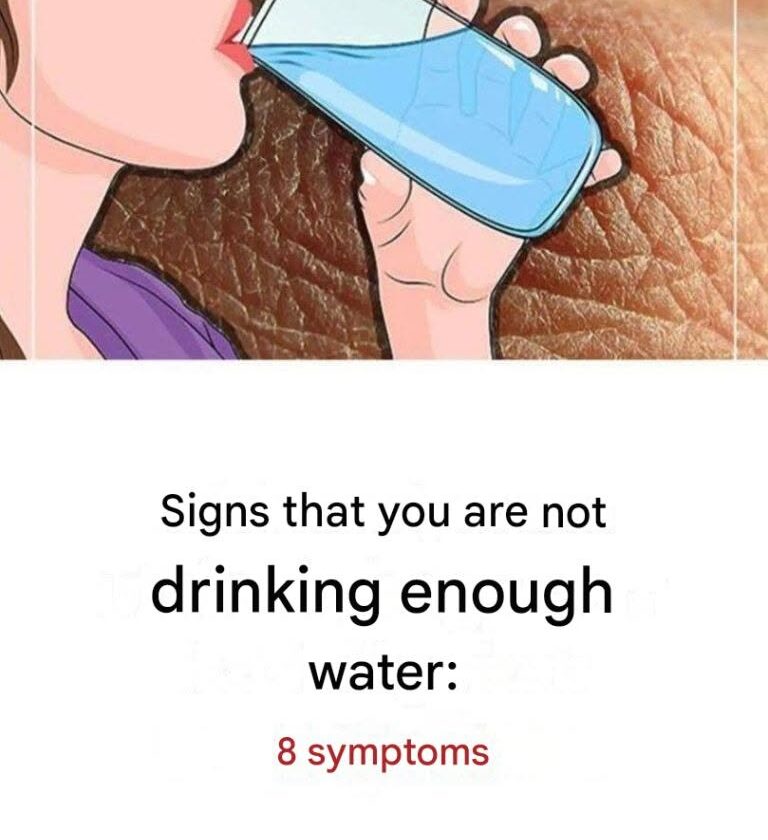
Water is essential for almost every process in your body. If you don’t drink enough, dehydration can develop, ranging from mild to severe.
Here’s what happens as dehydration progresses:
Mild dehydration (1–2% loss of body water)
You may notice:
Feeling thirsty
Dry mouth or lips
Dark yellow urine or urinating less often
Headache
Fatigue or low energy
Difficulty concentrating
Mild dizziness
Even mild dehydration can reduce physical performance and make it harder to think clearly.
Moderate dehydration
As you become more dehydrated, your body starts conserving water:
Faster heart rate
Lower blood pressure, especially when standing
Muscle cramps
Constipation
Dry skin
Reduced sweating, making it harder to cool down
Increased irritability or confusion
Your kidneys work harder to conserve water, producing smaller amounts of more concentrated urine.
Severe dehydration (medical emergency)
Without enough fluids, dehydration can become life-threatening. Symptoms include:
Extreme thirst
Very little or no urination
Sunken eyes
Rapid breathing
Confusion or difficulty staying awake
Fainting
Shock
Seizures (in rare cases)
Severe dehydration requires prompt medical treatment, often with intravenous (IV) fluids.
Long-term effects of not drinking enough water
Chronically low fluid intake may increase the risk of:
Kidney stones
Urinary tract infections (especially in some people)
Chronic constipation
Poor exercise performance
Heat-related illnesses if you’re active or in hot weather
How much water do you need?
There’s no single amount that’s right for everyone. Your needs depend on:
Body size
Activity level
Climate
Diet
Pregnancy or breastfeeding
Illness (such as fever, vomiting, or diarrhea)
A practical way to judge hydration is to:
Drink when you’re thirsty.
Aim for urine that’s pale yellow rather than dark yellow (some vitamins and medications can change urine color).
When to seek medical care
Seek medical attention if you or someone else has dehydration along with:
Inability to keep fluids down
Persistent vomiting or severe diarrhea
Confusion or unusual drowsiness
Fainting
No urination for many hours
Signs of heat stroke (high body temperature, confusion, or loss of consciousness)
Staying hydrated doesn’t necessarily mean drinking only plain water—fluids from milk, tea, coffee, soups, and water-rich fruits and vegetables also contribute to your daily fluid intake. However, if you’re losing a lot of fluid through sweating, vomiting, or diarrhea, you may also need electrolytes in addition to water.