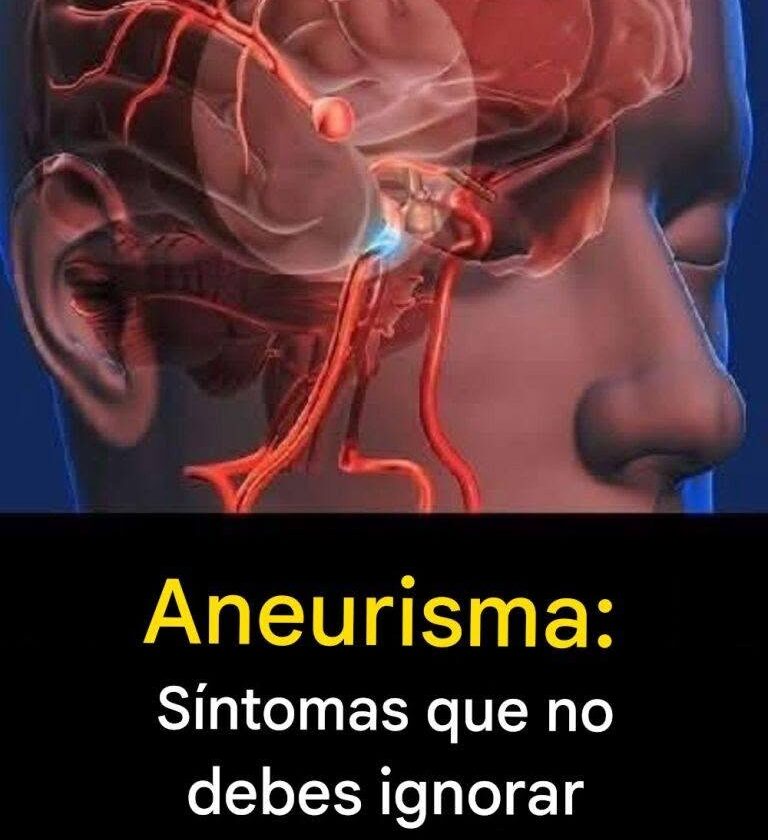
Aneurysm: signs you shouldn’t ignore
An aneurysm is a weakened area in a blood-vessel wall that bulges outward. Many aneurysms cause no symptoms, so you can’t reliably tell from how you feel whether one is present.
N
nhs.uk
+1
Brain aneurysm warning signs
A larger, unruptured brain aneurysm can sometimes cause:
Headache
Pain around or above one eye
Double vision or other vision changes
Dizziness or balance problems
Weakness or numbness on one side of the face
Difficulty speaking or concentrating
N
nhs.uk
The major emergency warning sign is a sudden, extremely severe “thunderclap” headache, particularly if accompanied by vomiting, stiff neck, confusion, fainting, seizure, vision problems, or weakness/numbness. This can indicate a ruptured aneurysm and bleeding around the brain.
N
nhs.uk
Abdominal aortic aneurysm
An abdominal aortic aneurysm often has no symptoms. When symptoms occur, they can include:
Persistent or recurring abdominal or back pain
A pulsing sensation or lump in the abdomen
Sudden severe abdominal or back pain, pale/gray skin, breathing difficulty, or loss of consciousness can indicate rupture and require immediate emergency care.
N
nhs.uk
🚨 Don’t wait
If someone suddenly develops a thunderclap headache, loss of consciousness, seizure, facial drooping, one-sided weakness, speech difficulty, or sudden severe abdominal/back pain, seek emergency medical help immediately. Don’t drive yourself.
N
nhs.uk
+1
Risk factors for some aneurysms include smoking, uncontrolled high blood pressure, and a close family history. Controlling blood pressure and avoiding smoking can help reduce risk.
N
nhs.uk
+1
N
Sources