🧠 What edema actually means
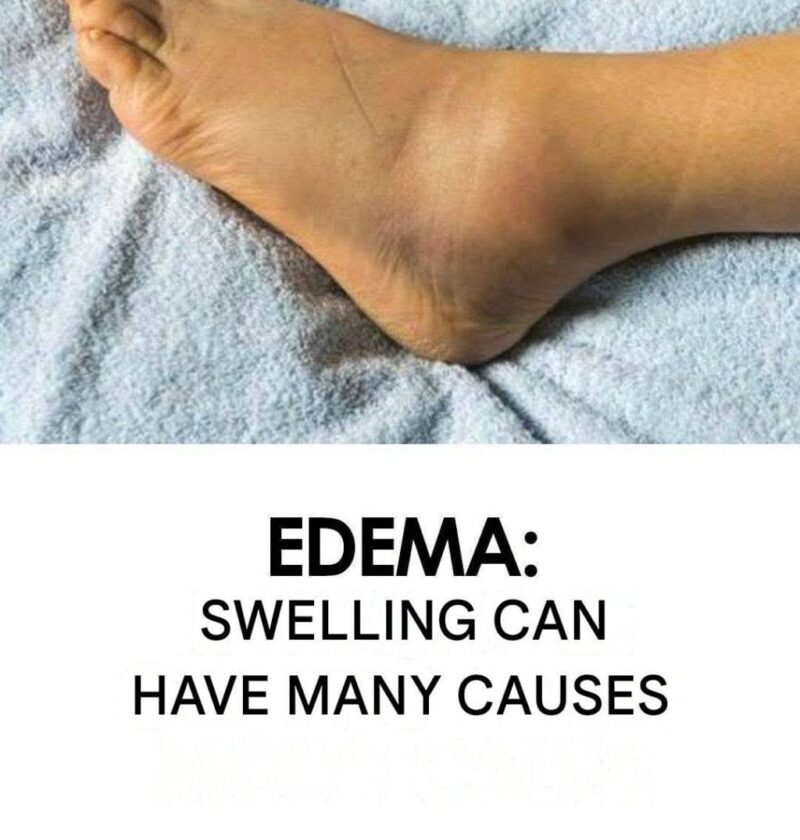
Edema is not a disease by itself—it is a symptom. It happens when fluid leaks out of blood vessels and builds up in surrounding tissues.
Common visible signs:
- swollen feet, ankles, or legs
- tight or shiny skin
- “pitting” (a dent stays when you press the skin)
- feeling of heaviness or stiffness
⚠️ When edema should NOT be ignored
You should take it seriously if swelling is:
🚨 1. Sudden or severe
- appears quickly over hours or days
- especially if only one leg is swollen
🚨 2. Linked with breathing problems
This is very important:
- shortness of breath
- chest tightness
- difficulty lying flat
This may suggest heart or lung involvement.
🚨 3. Associated with heart issues
Edema can be linked to fluid overload from the heart not pumping properly (possible heart failure).
Warning signs:
- swelling in both legs
- fatigue
- rapid weight gain (fluid retention)
🚨 4. Kidney-related signs
The kidneys regulate fluid balance. Problems may cause:
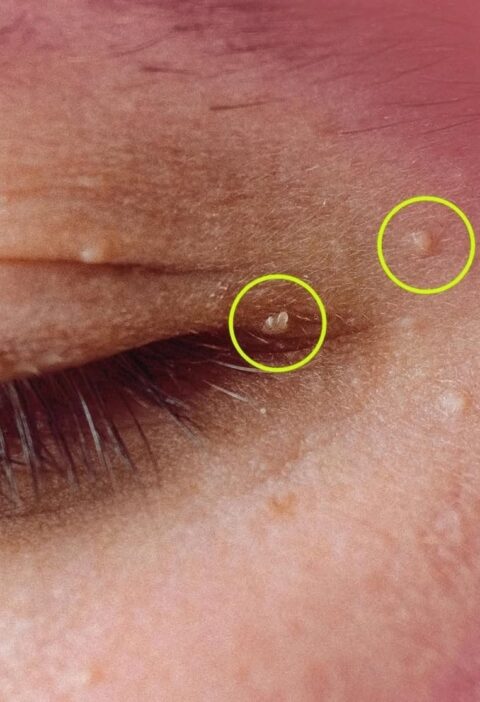
- swelling around eyes or face (especially in the morning)
- foamy urine
- reduced urination
🚨 5. Liver-related signs
Liver disease can cause:
- swollen abdomen (ascites)
- swollen legs
- yellowing of skin/eyes
🚨 6. One-sided painful swelling
This may indicate a blood clot in the leg (deep vein thrombosis), especially if:
- leg is warm, red, and painful
- swelling is only on one side
💊 Other common (less serious) causes
- long standing or sitting
- high salt intake
- pregnancy
- certain medications (like blood pressure drugs)
- heat exposure
🩺 When to seek medical help
Seek urgent care if edema comes with:
- shortness of breath
- chest pain
- sudden one-leg swelling
- confusion or extreme fatigue
❤️ Bottom line
Edema is common, but it is also a warning signal, not a condition itself. The key is why it is happening—heart, kidney, liver, circulation, or lifestyle causes.
If you want, I can help you figure out whether swelling in your case sounds mild (lifestyle-related) or something that needs urgent medical attention.