After Gallbladder Removal: What Can Happen, and Should You Avoid Surgery?
Claims that people should “avoid gallbladder surgery whenever possible” can be misleading. Gallbladder removal (cholecystectomy) is one of the most common surgeries and is often recommended because it can prevent serious complications from gallstones or gallbladder disease.
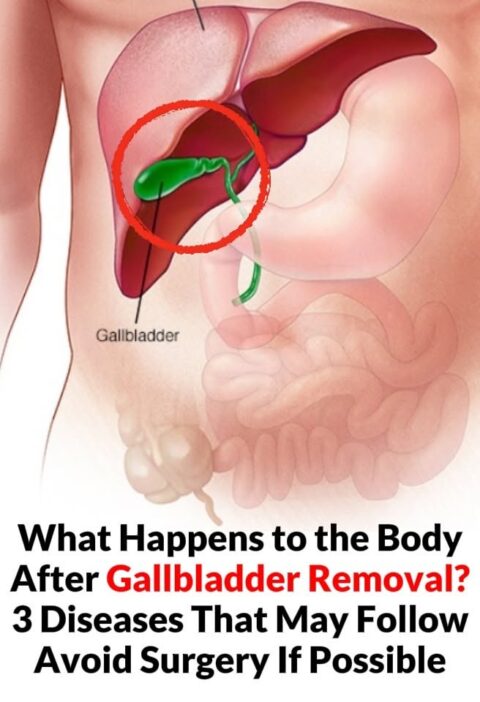
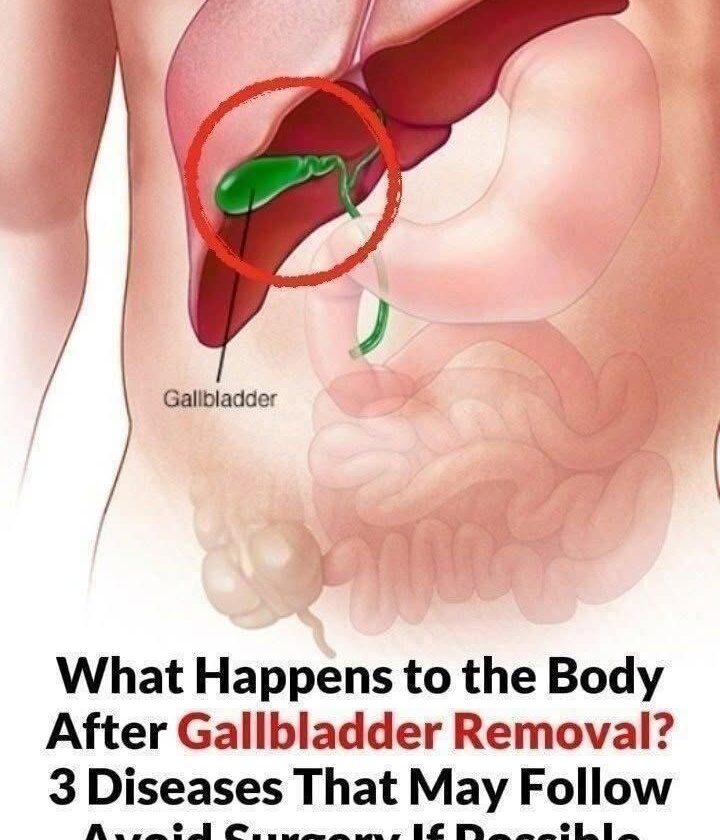
Most people live normally without a gallbladder. The liver continues to make bile, but instead of being stored and released in the gallbladder, bile flows directly into the small intestine.
That said, some people do experience changes after surgery.
3 Possible Conditions or Issues After Gallbladder Removal
1. Bile Acid Diarrhoea
Without a gallbladder storing and regulating bile, more bile may enter the intestine continuously. In some people, this can lead to:
- Frequent loose stools
- Urgency to use the bathroom
- Diarrhoea after eating, especially after fatty meals
This can often be managed with dietary changes or medications prescribed by a healthcare professional.
2. Digestive Changes and Food Intolerance
Some people notice difficulty digesting certain foods after surgery, especially early on.
Possible symptoms include:
- Bloating
- Gas
- Indigestion
- Abdominal discomfort
- Nausea after high-fat meals
Many people find that symptoms improve over weeks or months as the body adapts.
3. Post-Cholecystectomy Syndrome
A small number of people develop ongoing symptoms after gallbladder removal, sometimes called post-cholecystectomy syndrome.
Symptoms may include:
- Upper abdominal pain
- Indigestion
- Nausea
- Bloating
- Changes in bowel habits
The cause can vary and may include issues unrelated to the gallbladder, such as acid reflux, irritable bowel syndrome, or retained bile duct stones.
When Is Gallbladder Removal Usually Recommended?
Doctors often recommend surgery when gallstones or gallbladder disease cause problems such as:
- Repeated gallstone attacks (biliary colic)
- Gallbladder inflammation (cholecystitis)
- Blocked bile ducts
- Gallstone-related pancreatitis
- Certain gallbladder polyps or other concerns
Leaving serious gallbladder disease untreated can sometimes lead to complications that are more dangerous than surgery.
Can You Avoid Surgery?
It depends on the situation.
For silent gallstones (stones found accidentally without symptoms), surgery is often not needed.
For repeated painful attacks or complications, avoiding surgery may increase the risk of future problems.
Lifestyle measures that may help reduce gallstone risk include:
- Maintaining a healthy weight
- Avoiding rapid weight loss
- Eating a balanced diet with adequate fibre
- Staying physically active