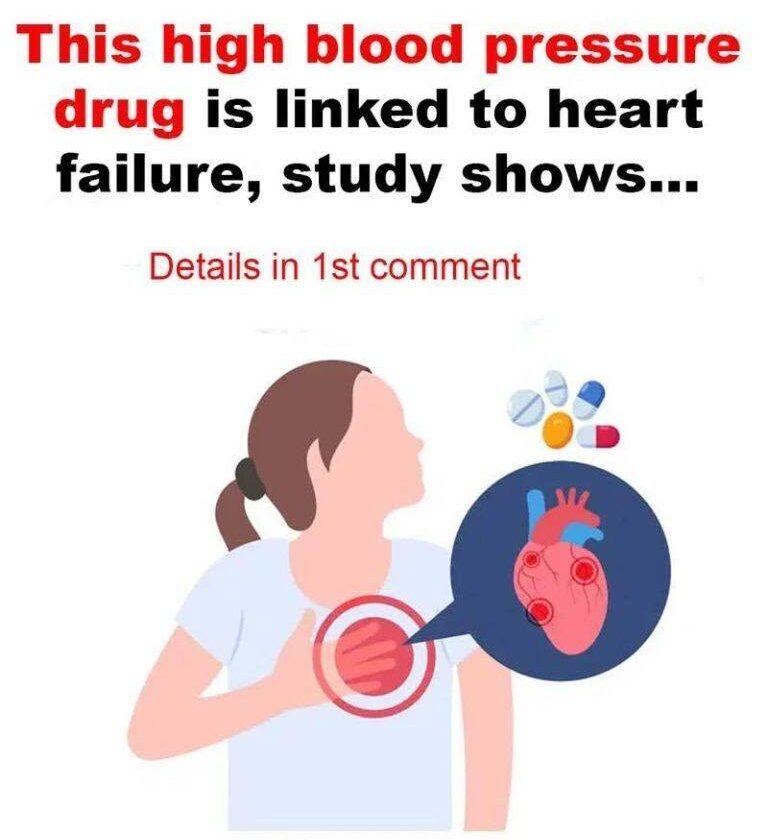
The headline is oversimplified and potentially misleading. It suggests that a commonly used blood pressure medication broadly raises the risk of heart failure, when the underlying research is much more specific.
Based on available evidence, the headline is referring to research on beta blockers (a class of blood pressure medications), not all blood pressure drugs. In one study, women taking beta blockers for high blood pressure alone were more likely than men to develop heart failure if they were later hospitalized with an acute coronary syndrome (such as a heart attack or unstable angina). This does not mean beta blockers generally cause heart failure in women. (American Heart Association)
Important points:
- Beta blockers include medications such as Metoprolol, Atenolol, and Bisoprolol.
- These medications remain proven, life-saving treatments for many conditions, including heart failure, after certain heart attacks, and some abnormal heart rhythms.
- The study found an association in a particular group of patients. It did not prove that beta blockers caused heart failure, and further research is needed to understand the finding. (American Heart Association)
- Treatment decisions depend on why the medication was prescribed. A drug that is appropriate for one condition may not be the best first choice for another.
If you’re taking a beta blocker:
- Do not stop it on your own. Suddenly stopping a beta blocker can cause a rapid increase in heart rate and blood pressure and, in some people, increase the risk of chest pain or a heart attack.
- If you’re concerned about your medication or have symptoms such as increasing shortness of breath, swelling of the legs, or unusual fatigue, discuss them with the clinician who prescribed it.
In short, the research highlights a possible difference in outcomes for a specific group of patients, but it does not mean that common blood pressure medications are unsafe for women in general or that people should discontinue them without medical advice.