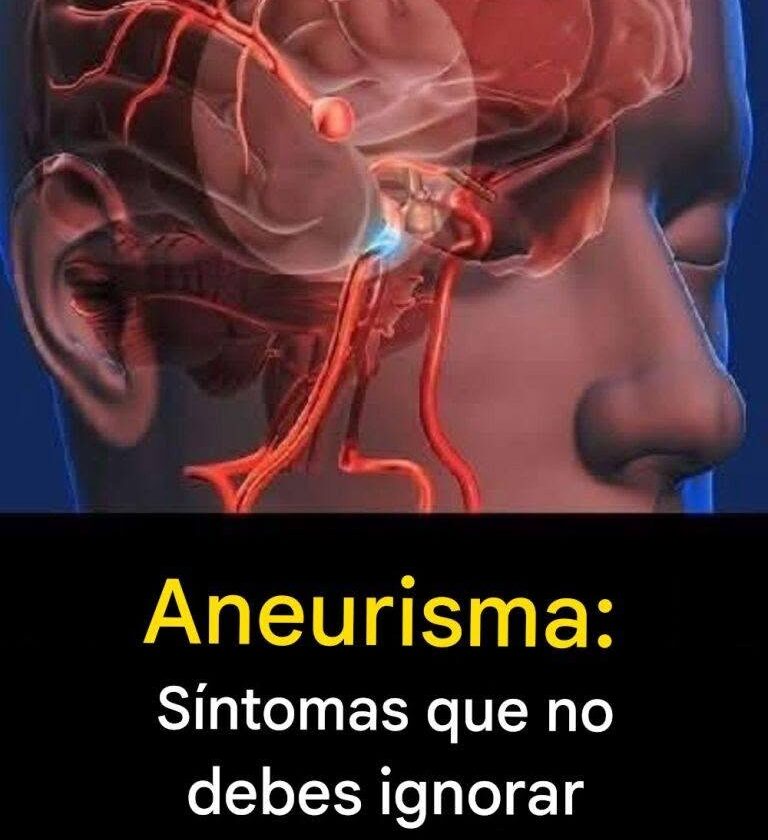
An aneurysm is a weakened area in a blood vessel wall that can bulge and, in some cases, rupture. Signs can vary depending on where the aneurysm is located, and some aneurysms cause no symptoms until they become an emergency.
Signs you shouldn’t ignore
Possible brain (cerebral) aneurysm warning signs:
- A sudden, severe headache often described as the “worst headache of your life”
- Neck stiffness
- Nausea or vomiting with a sudden severe headache
- Sensitivity to light
- Loss of consciousness, confusion, or seizures
- Drooping eyelid, double vision, or sudden vision changes
- Weakness, numbness, or trouble speaking (stroke-like symptoms)
Possible aortic aneurysm warning signs (major artery in the chest/abdomen):
- Sudden, severe chest, back, or abdominal pain
- A tearing or ripping sensation in the chest or back
- Shortness of breath
- Fainting or dizziness
- A pulsating feeling or lump in the abdomen (especially if painful)
- Difficulty swallowing or hoarseness (in some chest aneurysms)
Seek emergency care immediately if:
- You have a sudden “worst-ever” headache
- You develop sudden chest, back, or abdominal pain that is severe or unusual
- You faint, have seizures, or develop stroke symptoms (face drooping, arm weakness, speech difficulty)
Many aneurysms are found incidentally during imaging and can be monitored or treated before they become dangerous. Risk factors that can increase concern include high blood pressure, smoking, older age, certain inherited conditions, and a family history of aneurysms.