Common Mistakes That Affect Balance in Older Adults
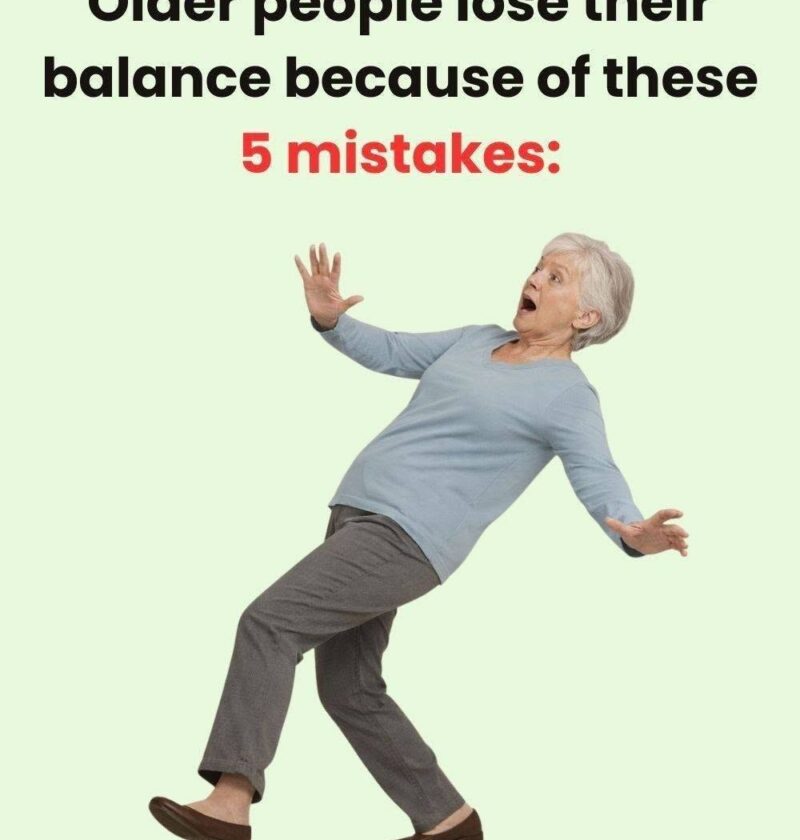
Balance problems aren’t simply an unavoidable part of getting older. They can result from medications, vision changes, muscle weakness, inner-ear problems, low blood pressure, foot problems, and unsafe surroundings. Identifying these factors can reduce the risk of falls.
1. Being too inactive
Avoiding physical activity can lead to weaker leg muscles and poorer balance. Strength and balance exercises—such as appropriately supervised exercise or tai chi—can help maintain mobility.
2. Getting up too quickly
Some older adults experience orthostatic hypotension, a drop in blood pressure after standing. This can cause dizziness or lightheadedness. Rise gradually, particularly from bed or a chair.
3. Ignoring medication side effects
Some prescription and over-the-counter medicines can cause drowsiness, dizziness, blurred vision, confusion, or slowed reactions. Taking multiple medications can further increase the risk. Don’t stop a medicine yourself—ask a doctor or pharmacist to review your medications.
4. Neglecting eyesight
Poor vision can make it harder to detect steps, obstacles, and changes in floor level. Keep prescriptions up to date and have vision checked regularly.
5. Wearing unsafe footwear
Loose slippers, smooth soles, high heels, or poorly fitting shoes can make walking less stable. Well-fitting shoes with good traction and low heels are generally safer.
6. Leaving trip hazards around the home
Loose rugs, clutter, electrical cords, slippery floors, and poor lighting can turn an ordinary walk into a fall. Secure or remove loose rugs, keep walkways clear, and improve lighting—especially around stairs and bathrooms.
7. Ignoring dizziness or recurring imbalance
Repeated dizziness, spinning sensations, or unexplained loss of balance shouldn’t simply be dismissed as “old age.” Inner-ear disorders, medications, vision problems, neurological conditions, and cardiovascular problems can all contribute.
8. Trying to “push through” repeated falls
A fall—or repeated episodes of feeling unsteady—is a reason to have your fall risk assessed. Healthcare professionals can evaluate gait, strength, balance, medications, blood pressure, vision, feet, and home hazards.