How to Make a Homemade Herbicide (Effective Weed Control)
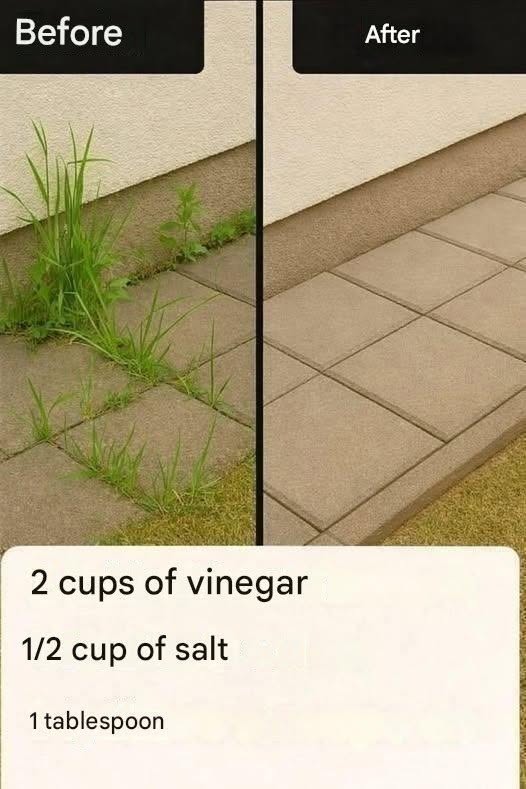
Homemade weed killers can help control weeds in places like driveways, patios, cracks in sidewalks, and gravel areas, but they are usually non-selective, meaning they can damage desirable plants too. Use them carefully.
Simple Vinegar-Based Weed Spray
Ingredients:
- 1 gallon (about 3.8 liters) white vinegar (higher-strength horticultural vinegar works faster, but requires more caution)
- 1 tablespoon dish soap (helps the spray stick to leaves)
Optional:
- 1 cup salt (can make the mixture more effective, but it may harm soil and prevent future plant growth)
How to Make It
- Pour the vinegar into a spray container.
- Add dish soap and gently mix.
- Spray directly onto the leaves of unwanted weeds.
- Apply on a dry, sunny day when rain is not expected.
Tips for Better Results
- Spray when weeds are actively growing.
- Coat the leaves thoroughly.
- Avoid spraying nearby grass, flowers, vegetables, or garden beds.
- Repeat treatment may be needed for deep-rooted weeds.
Important Safety Notes
- Vinegar-based sprays mainly burn the visible parts of weeds; many perennial weeds may grow back from their roots.
- Salt can damage soil for a long time, so avoid using it in garden areas where you want plants to grow.
- Keep homemade herbicides away from pets and children until the area is dry.
- Wear gloves and avoid contact with eyes and skin.
More Natural Weed-Control Methods
✅ Pull weeds after rain when soil is softer
✅ Add mulch to block sunlight
✅ Use boiling water on weeds growing in cracks
✅ Improve garden soil and plant coverage to reduce weed growth
For lawns and vegetable gardens, a targeted weed-control approach is usually safer than a homemade spray because it protects the plants you want to keep.