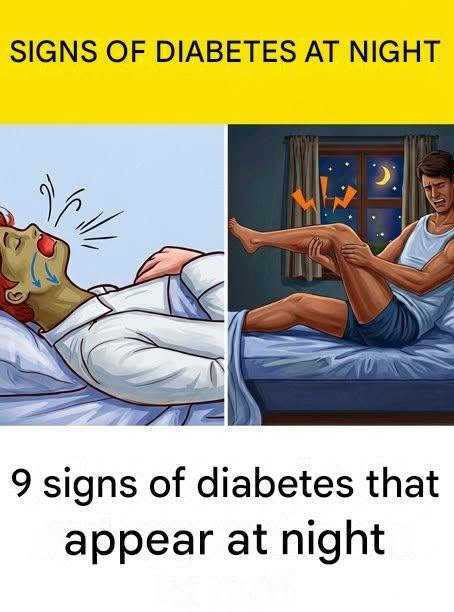
“If You Often Get Leg Cramps at Night, Your Body May Be Sending a Warning Sign”
is a common health headline. Nighttime leg cramps are very common and often harmless, but frequent cramps can sometimes be linked to underlying factors that are worth paying attention to.
Common reasons for nighttime leg cramps
1. Muscle fatigue or overuse
- More likely after increased exercise, long periods of standing, or unusual physical activity.
- Tired muscles may be more prone to involuntary contractions.
2. Dehydration
- Losing fluids through sweating, heat, or inadequate intake may contribute to muscle irritability.
3. Mineral or electrolyte changes
Low levels of certain nutrients can sometimes play a role, including:
- Magnesium
- Potassium
- Calcium
However, taking supplements is not always helpful unless a deficiency is present.
4. Reduced flexibility or inactivity
- Tight calf muscles and limited movement may increase the chance of cramps.
- Sitting for long periods can also contribute.
5. Age-related changes
Night leg cramps become more common with aging, possibly due to changes in muscles, nerves, and circulation.
6. Certain health conditions or medications
Cramps may be associated with:
- Diabetes-related nerve changes
- Kidney disease
- Thyroid disorders
- Circulation problems
- Some medications (including certain diuretics)
What may help reduce nighttime cramps
✅ Stretch calves and legs before bed
✅ Stay physically active with regular movement
✅ Drink enough fluids
✅ Wear supportive shoes during the day
✅ Gently massage and stretch the muscle during a cramp
✅ Avoid sudden increases in exercise intensity
When to get medical advice
Consider talking with a healthcare professional if cramps:
- Happen frequently or are getting worse
- Cause significant sleep disruption
- Are accompanied by weakness, numbness, swelling, or skin changes
- Are a new symptom after starting a medication
The headline makes it sound like every cramp is a warning sign, but in many cases nighttime leg cramps are related to muscle strain, hydration, or normal changes. Persistent or unusual cramps are the ones that deserve closer attention.