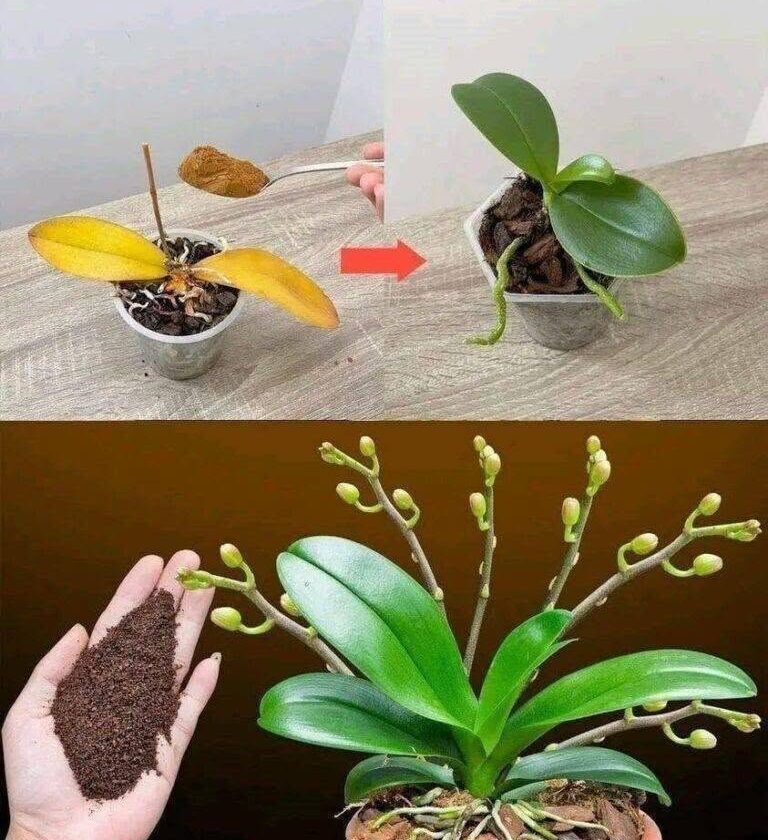
“Just a Teaspoon and Your Orchid Will Bloom With Lots of Flowers” — What’s True?
You may see claims online that adding a teaspoon of a household ingredient will make an orchid suddenly produce many flowers. While some homemade orchid “miracle fertilizers” are popular, there is no single teaspoon ingredient that can magically force an orchid to bloom.
Orchids bloom when their overall growing conditions are right: light, temperature, nutrients, watering, and plant health all work together.
What actually helps orchids produce more flowers?
1. Provide the right light
Most common orchids, such as Phalaenopsis orchid, prefer:
- Bright, indirect light
- Protection from harsh midday sun
- Enough light to support flower spikes
Too little light is one of the most common reasons orchids fail to bloom.
2. Use proper fertilizer
Orchids need balanced nutrients, especially during active growth. A diluted orchid fertilizer used according to label instructions is generally more reliable than random kitchen ingredients.
3. Give roots the right care
Healthy roots are essential:
- Use a well-draining orchid mix (often bark-based)
- Avoid letting roots sit in standing water
- Repot when the growing medium breaks down
4. Encourage blooming conditions
Many orchids respond to:
- Slightly cooler nighttime temperatures
- Consistent care
- A natural rest period after flowering
5. Avoid overwatering
Yellowing leaves, soft roots, and lack of flowers are often linked to too much water rather than too little.
About “one teaspoon” home remedies
Ingredients such as sugar, baking soda, rice water, coffee, or other kitchen mixtures are often promoted online, but they are not proven orchid bloom boosters and may sometimes harm the plant by:
- Encouraging mold or pests
- Leaving mineral or chemical buildup
- Disrupting the potting environment
Bottom line: A teaspoon will not create instant orchid blooms. The best “secret” is consistent care: the right light, proper watering, healthy roots, and suitable fertilizer over time.