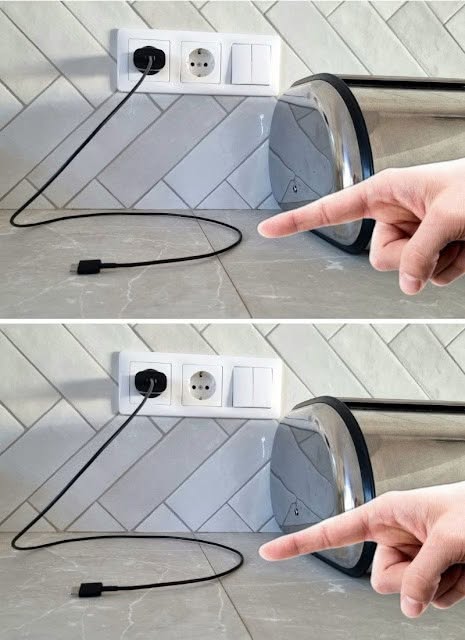
If you’re asking whether this viral claim is accurate, it’s partly true but exaggerated.
A phone charger left plugged into the wall without the phone connected is generally not an immediate fire hazard when it is a genuine, undamaged, properly installed charger. However, there are good reasons to unplug it when you aren’t using it.
The 3 real reasons
- Small amounts of electricity are still consumed.
Chargers can draw a small amount of standby power while connected to the outlet. The amount is usually tiny, but it adds up if many devices remain plugged in. (The Department of Energy’s Energy.gov) - Faulty or counterfeit chargers can be dangerous.
Poor-quality, damaged, or counterfeit chargers may overheat, short-circuit, or cause electric shock or fire. Fire-safety authorities specifically recommend using genuine or approved chargers and replacing damaged ones. - Unplugging reduces unnecessary electrical risk.
A charger connected to the mains remains energized even when it isn’t charging a phone. Unplugging it eliminates that particular source of electrical risk and also protects against problems caused by damaged equipment, poor sockets, or electrical faults. (Dorset & Wiltshire Fire Rescue)
⚠️ What the viral post gets wrong
It’s misleading to say “NEVER leave a charger in an outlet without your phone” as though every plugged-in charger is about to cause a fire. A modern, certified charger in good condition is designed to operate safely.
The bigger concerns are cheap/counterfeit chargers, damaged cables or plugs, overheating, loose or damaged outlets, moisture, and covering a charger while it’s operating. Google, for example, advises keeping its charger well ventilated and not using damaged chargers or cables. (Google Support)
Best habit: When you’re finished charging, unplug the charger—especially before leaving home or going to sleep. But don’t panic if you’ve accidentally left a good-quality charger plugged into the wall.
If you want, I can also explain whether leaving your phone charging overnight is actually dangerous—that’s a slightly different question.