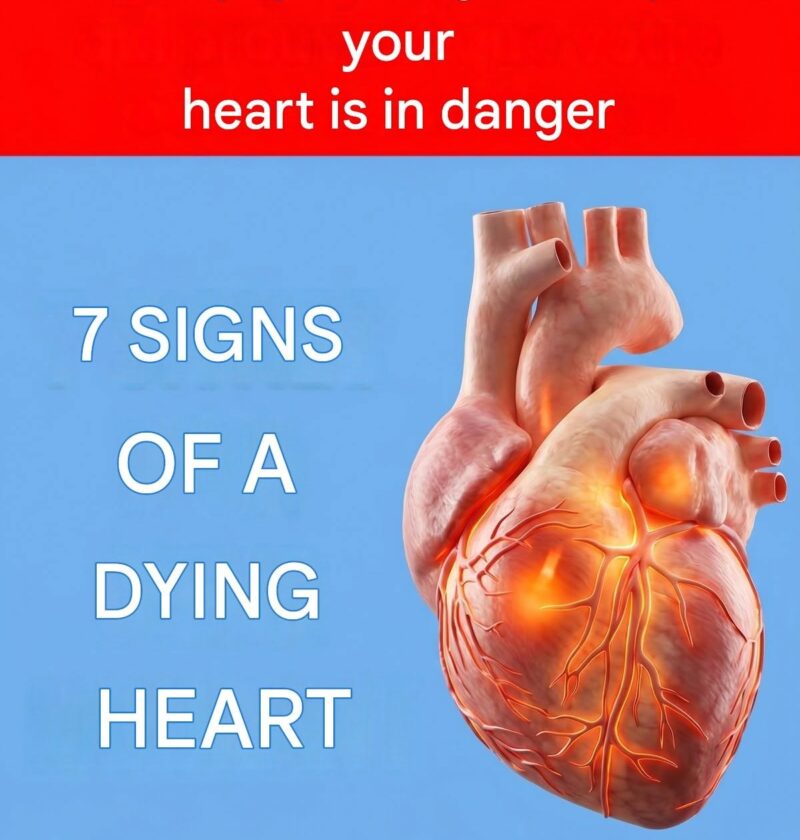
The headline “Our bodies send us signals: learn to recognize physical clues to protect your heart health” is broadly reasonable, but it can become misleading if it suggests that every unusual body sensation is a sign of heart disease.
❤️ Physical signs you shouldn’t ignore
Possible warning signs of a heart attack or reduced blood flow to the heart include:
- Chest pressure, squeezing, fullness, or pain—especially if it lasts several minutes or comes and goes.
- Pain or discomfort in the arm or shoulder, particularly on the left but potentially either side.
- Pain in the jaw, neck, back, or upper stomach.
- Shortness of breath, with or without chest discomfort.
- Cold sweating.
- Nausea or vomiting.
- Unusual tiredness or weakness.
- Lightheadedness or feeling faint.
- A rapid or irregular heartbeat/palpitations. (www.heart.org)
Women can have the classic chest discomfort too, but may be more likely to experience symptoms such as shortness of breath, nausea, back or jaw pain, and unusual fatigue. (www.heart.org)
⚠️ Don’t wait for a “classic” heart attack
Heart attacks don’t always begin dramatically. Some start with relatively mild discomfort that gradually worsens or comes and goes. There can also be silent ischemia, where reduced blood flow occurs without obvious symptoms. (www.heart.org)
If someone has new chest discomfort, significant shortness of breath, fainting, or other symptoms suggesting a heart attack, don’t try to diagnose the cause at home. Call your local emergency medical service immediately. (www.heart.org)
For long-term heart protection, the more useful “signals” to monitor are also things like blood pressure, cholesterol, blood sugar, smoking status, physical activity, weight, and family history—because heart disease can develop without noticeable symptoms.