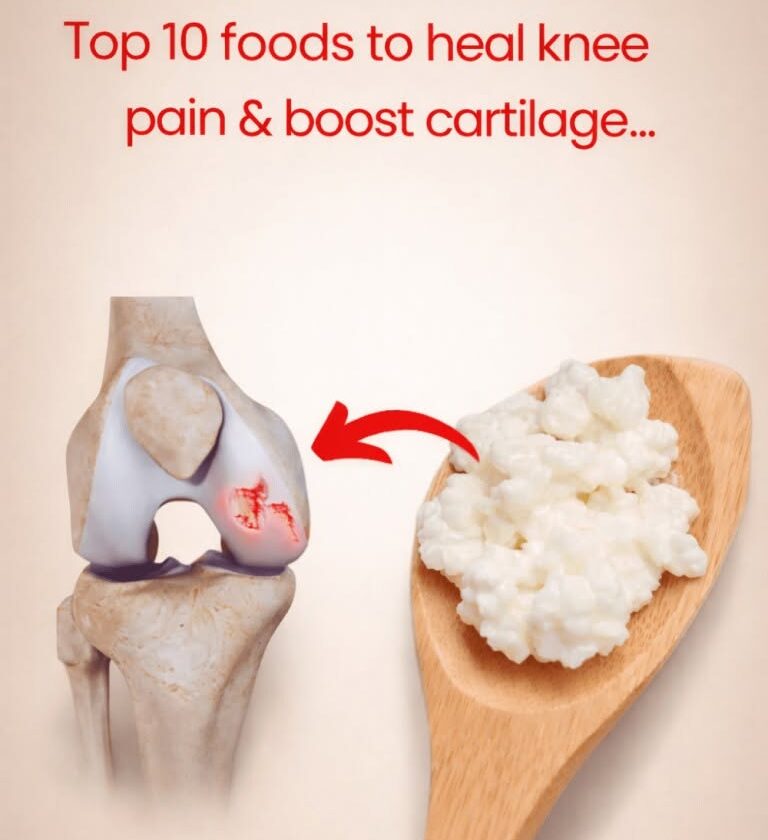
10 Foods That May Help With Knee Pain and Joint Health
A quick reality check: no food can “heal” damaged knee cartilage or regrow cartilage on its own. But a nutritious, Mediterranean-style diet can help manage inflammation, support a healthy weight, and provide nutrients important for overall joint health.
A
Arthritis Foundation
+1
Here are 10 good choices:
Fatty fish — Salmon, sardines, trout and mackerel provide omega-3 fats that may help reduce inflammation.
A
Arthritis Foundation
Berries — Blueberries, strawberries, raspberries and blackberries provide polyphenols and other antioxidants that may help with inflammation.
A
Arthritis Foundation
Broccoli and other cruciferous vegetables — Broccoli, cabbage, Brussels sprouts and cauliflower contain compounds being studied for their potential effects on cartilage and inflammation. Human evidence is still developing.
A
Arthritis Foundation
Extra-virgin olive oil — A major source of monounsaturated fat and plant compounds in the Mediterranean diet, which is associated with better overall joint health.
A
Arthritis Foundation
Nuts — Walnuts, almonds and pistachios provide healthy fats, vitamin E, magnesium and other nutrients.
A
Arthritis Foundation
Tart cherries — Their anthocyanins have anti-inflammatory properties, and some research suggests tart-cherry products may improve certain arthritis symptoms.
A
Arthritis Foundation
Beans and lentils — They’re rich in fiber and plant protein and fit well into an anti-inflammatory, Mediterranean-style eating pattern.
A
Arthritis Foundation
Whole grains — Oats, barley and whole-grain breads are good sources of fiber; higher fiber intake has been associated with fewer knee osteoarthritis symptoms.
A
Arthritis Foundation
Leafy greens — Spinach, kale and other greens provide vitamin K and numerous other nutrients. Vitamin K status has been associated with bone and cartilage health, although eating greens isn’t a treatment for arthritis.
A
Arthritis Foundation
Ginger and turmeric — Both contain compounds with anti-inflammatory properties. Studies suggest turmeric/curcumin and ginger may modestly improve osteoarthritis pain, but they aren’t substitutes for proven treatment.
A
Arthritis Foundation
The biggest “food” factor may actually be weight
If you have excess weight, even modest weight loss can reduce knee pain and improve function. The Arthritis Foundation notes that losing one pound reduces the load on weight-bearing joints by roughly four pounds.
A
Arthritis Foundation
+1
And diet works best alongside appropriate exercise and strengthening. For knee osteoarthritis, exercise, weight management, and self-management are among the better-supported approaches.
A
Arthritis Foundation
Bottom line: Don’t look for one magical cartilage-healing food. A pattern built around fish, vegetables, fruits, beans, whole grains, nuts and olive oil, while limiting highly processed foods and excess saturated fat, is a much more evidence-based strategy for supporting your knees.
A
Arthritis Foundation
+1
A
Sources