What Is “Normal” Blood Pressure at Each Age?
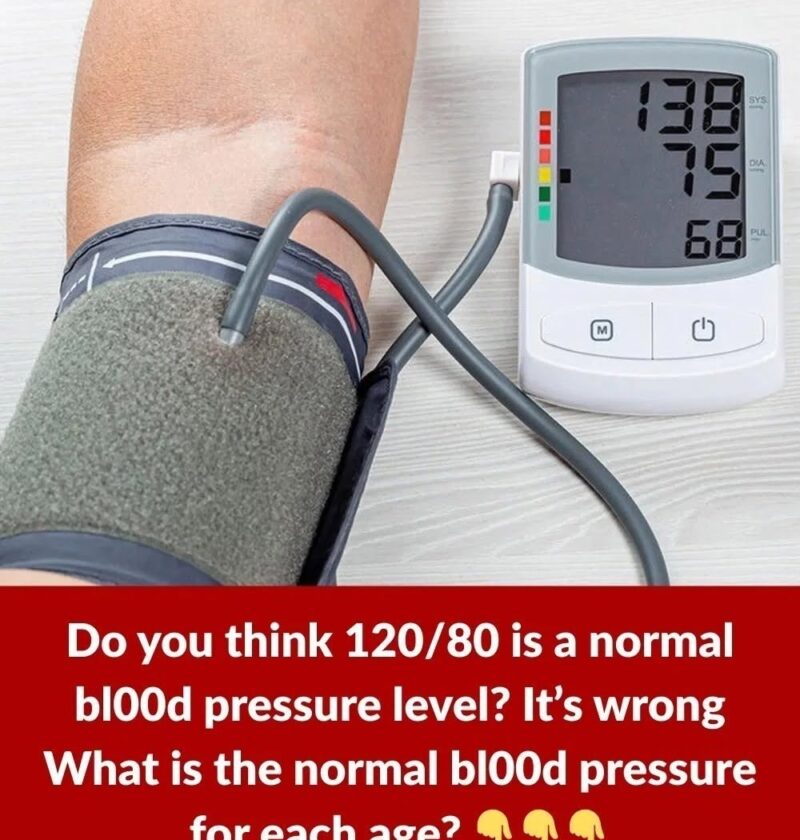
A common social-media claim is that there is a different “normal” blood pressure for every age. That’s not really how modern blood-pressure guidelines work. There isn’t a simple formula such as “100 + your age.”
For adults, blood pressure is generally interpreted using the same categories, with some differences between guidelines:
Category Systolic Diastolic
Normal <120 <80
Elevated 120–129 <80
High BP, stage 1 130–139 80–89
High BP, stage 2 ≥140 ≥90
Severe hypertension >180 >120
These are the American Heart Association/American College of Cardiology categories.
What about people over 65 or 75?
Older adults don’t automatically need a higher blood pressure simply because of their age. Treatment targets should be individualized, particularly for people who are frail, have multiple medical conditions, or are at risk of falls or dizziness.
A single reading also doesn’t diagnose hypertension. Blood pressure naturally varies with activity, stress, caffeine, medications, and even the time of day.
How to get an accurate reading
Rest quietly for about 5 minutes, sit with your back supported and feet flat on the floor, keep your arm supported at heart level, and avoid caffeine, exercise, and smoking for about 30 minutes beforehand. Take two readings about one minute apart and record them.
Important: If your blood pressure is over 180/120 mm Hg, repeat the measurement after at least a minute. If it remains that high and you have symptoms such as chest pain, shortness of breath, weakness, numbness, vision changes, or difficulty speaking, seek emergency medical care immediately.
Bottom line: For most adults, “normal” means below 120/80 mm Hg, rather than a different normal number for each birthday.