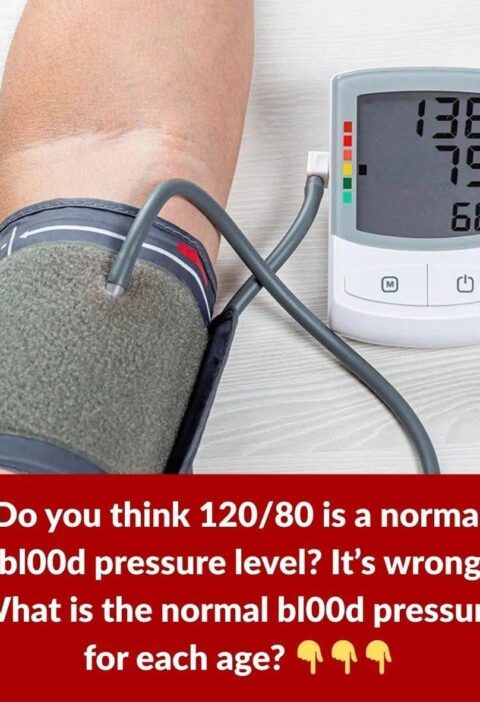
What Is the Normal Blood Pressure for Each Age?Blood pressure changes naturally with age, but doctors generally use one standard healthy range for adults. For children and teens, the “normal” range depends more on age, height, and sex.
Blood pressure is written as two numbers:
- Systolic (top number): pressure when the heart beats
- Diastolic (bottom number): pressure when the heart rests
Example: 120/80 mmHg
Normal Blood Pressure for Adults
For most adults, regardless of age:
- Normal: less than 120/80 mmHg
- Elevated: 120–129 / less than 80
- High blood pressure (Stage 1): 130–139 / 80–89
- High blood pressure (Stage 2): 140+/90+
- Hypertensive crisis: 180+/120+ (medical emergency)
So, ideally, healthy adults of any age should aim for below 120/80.
Blood Pressure by Age Group (Typical Ranges)
Infants (0–12 months)
- Normal: ~70–100 / 50–65 mmHg
Toddlers (1–5 years)
- Normal: ~90–105 / 55–70 mmHg
Children (6–13 years)
- Normal: ~95–110 / 60–75 mmHg
Teenagers (14–18 years)
- Normal: ~105–120 / 65–80 mmHg
Adults (18–39 years)
- Normal: below 120/80 mmHg
Middle-aged adults (40–59 years)
- Normal: below 120/80 mmHg (though slightly higher readings may appear with age)
Older adults (60+ years)
- Normal: below 120/80 mmHg
- Some people may have slightly higher systolic pressure, but consistently above 130/80 is not considered normal
Why Blood Pressure Changes With Age
Blood pressure tends to rise with age because:
- Blood vessels become less flexible
- Lifestyle factors (diet, stress, weight) increase risk
- Physical activity may decrease
- Health conditions like diabetes can contribute
When Blood Pressure Is Too Low
Low blood pressure is usually considered:
- Below 90/60 mmHg
It may cause:
- Dizziness
- Fatigue
- Fainting
- Blurred vision
Important Warning Signs
Seek medical attention if you have:
- Very high readings (180/120 or more)
- Chest pain
- Severe headache
- Shortness of breath
- Sudden dizziness or confusion
How to Maintain Healthy Blood Pressure
- Reduce salt intake
- Exercise regularly (walking is very effective)
- Maintain a healthy weight
- Drink enough water
- Manage stress
- Avoid smoking and excessive caffeine
Final Thoughts
The most important number to remember is below 120/80 mmHg for most people. While blood pressure can vary slightly with age, consistently high or low readings should always be checked by a healthcare professional.
If you want, I can also make a simple blood pressure chart image-style post for social media or a viral headline version of this topic.