What to Expect After Gallbladder Surgery: Side Effects and Dietary Tips
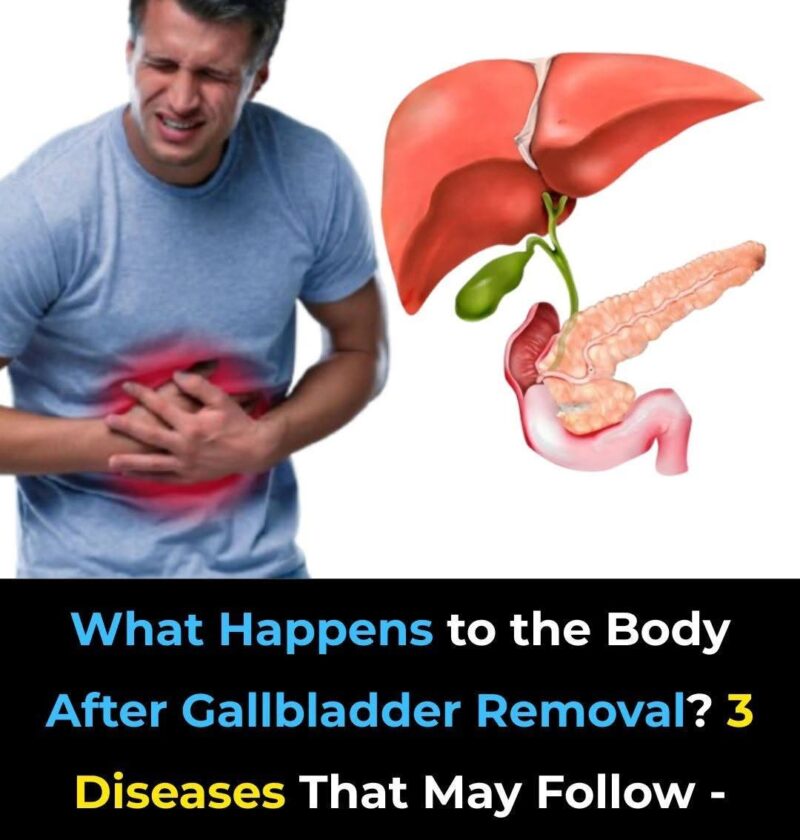
Gallbladder surgery (cholecystectomy) is a common procedure used to treat problems such as gallstones, gallbladder inflammation, or repeated attacks of gallbladder pain. Most people can live normally without a gallbladder, but the body may need time to adjust after surgery.
Common Side Effects After Gallbladder Surgery
1. Digestive Changes
Without a gallbladder, bile flows directly from the liver into the small intestine instead of being stored and released during meals. This can temporarily affect digestion.
Some people may experience:
- Bloating
- Gas
- Loose stools or diarrhea
- Changes in bowel habits
- Feeling uncomfortable after eating fatty foods
These symptoms often improve as the body adapts.
2. Pain and Discomfort
Mild pain around the incision sites, abdominal soreness, or shoulder discomfort (especially after laparoscopic surgery) can occur during recovery. Follow your surgeon’s instructions for pain management and activity.
3. Fatigue
Feeling tired for days or weeks after surgery is common as the body heals. Rest, gentle movement, and gradually returning to normal activities can help.
Dietary Tips After Gallbladder Removal
Start With Smaller Meals
Eating smaller portions more frequently can make digestion easier while your body adjusts.
Choose Lower-Fat Foods at First
High-fat meals may be harder to digest after surgery. Limit foods such as:
- Fried foods
- Fatty meats
- Heavy cream sauces
- Large amounts of butter or oil
Add Fiber Gradually
Fiber can help regulate bowel movements, but increasing it too quickly may cause gas or bloating. Add foods such as:
- Vegetables
- Fruits
- Whole grains
- Beans
Include Lean Protein
Good options include:
- Fish
- Skinless poultry
- Eggs
- Low-fat dairy
- Legumes
Stay Hydrated
Drinking enough fluids supports digestion and recovery.
Foods to Reintroduce Slowly
Everyone’s tolerance is different, but some people may need to be cautious with:
- Very spicy foods
- Greasy meals
- Large portions
- Alcohol
When to Contact a Doctor
Seek medical advice if you experience:
- Severe or worsening abdominal pain
- Fever or chills
- Yellowing of the skin or eyes
- Persistent vomiting
- Increasing redness, swelling, or drainage from the incision
- Severe or ongoing diarrhea
Recovery varies depending on the type of surgery and your overall health. Following your healthcare provider’s guidance and gradually returning to a balanced diet can help your body adjust after gallbladder removal.