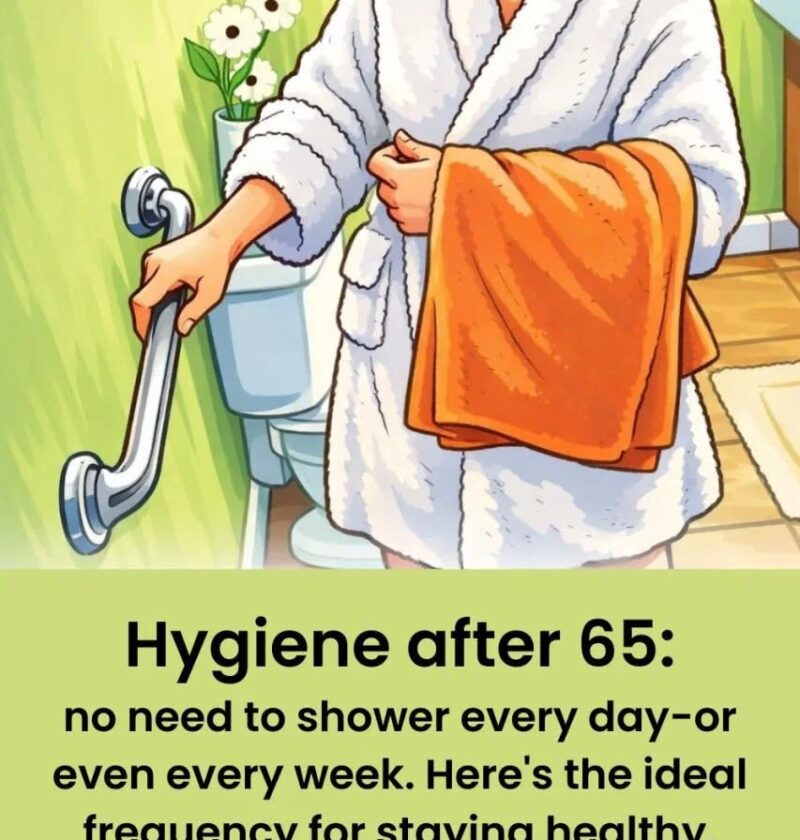
The idea that daily showers after age 65 may do more harm than good is not true for everyone, but there are reasons some older adults may need to adjust their bathing routine.
As people age, the skin often becomes thinner, drier, and more sensitive, and frequent hot showers or harsh soaps can sometimes cause problems.
Possible downsides of daily showering in older adults:
- Dry, itchy skin
- Hot water and frequent washing can remove natural oils that help protect the skin.
- Skin irritation
- Strong soaps, scrubbing, and long showers may worsen dryness, eczema, or sensitivity.
- Higher risk of skin cracks
- Very dry skin can develop small cracks that may become irritated or infected.
- Falls and safety concerns
- Getting in and out of the shower can be risky for some seniors, especially with balance problems or dizziness.
How to make showers more skin-friendly:
- Use warm rather than hot water.
- Keep showers relatively short.
- Choose gentle, fragrance-free cleansers.
- Moisturize soon after bathing.
- Use grab bars, non-slip mats, or a shower seat if balance is a concern.
How often should older adults shower?
There is no single rule. Some people do well with daily showers, while others may prefer bathing every other day or a few times per week, depending on activity level, sweating, skin condition, and personal preference. Important areas (such as the face, underarms, and groin) can be cleaned more frequently if needed.
If an older adult has new changes in hygiene habits, avoids bathing due to fear, or suddenly struggles with self-care, that may be worth discussing with a healthcare professional, as it can sometimes signal physical or cognitive changes.