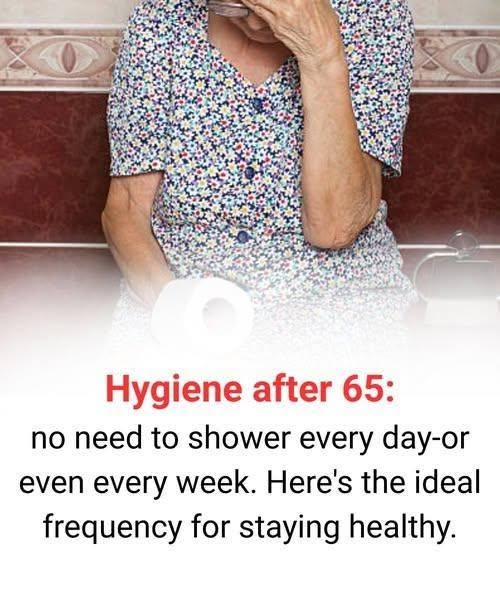
The idea that daily showers after age 65 may do more harm than good comes from how aging changes the skin — but it does not mean older adults should avoid bathing. It means the frequency, temperature, and products used may need adjusting.
As people age, several skin changes occur:
- Thinner, more fragile skin: The outer skin layer becomes thinner and repairs itself more slowly.
- Less natural oil production: The skin produces fewer oils that help maintain moisture and protect against irritation.
- Reduced moisture retention: Older skin dries out more easily, which can lead to itching, flaking, and cracks.
- Greater sensitivity: Hot water and strong soaps can strip away protective oils and worsen dryness.
Daily long, hot showers — especially with harsh soaps — may contribute to:
- Dry, itchy skin
- Increased irritation or eczema flare-ups
- Cracking that can allow bacteria to enter
- More discomfort from sensitive skin
For many older adults, a gentler routine may work better:
- Shower every other day or a few times per week if daily washing causes dryness (unless there is a medical reason to bathe daily).
- Use warm rather than hot water.
- Keep showers relatively short (often around 5–10 minutes).
- Use mild, fragrance-free cleansers.
- Apply a moisturizer soon after bathing while skin is still slightly damp.
- Wash areas that need frequent cleaning (such as underarms, groin, feet, and hands) more often if desired.
Daily showers can still be appropriate for some people — for example, those who sweat heavily, have certain skin conditions, work with contaminants, or simply feel better with a daily routine. The goal is to protect the skin barrier while maintaining good hygiene.