10 Early Warning Signs of a Stroke Everyone Should Know
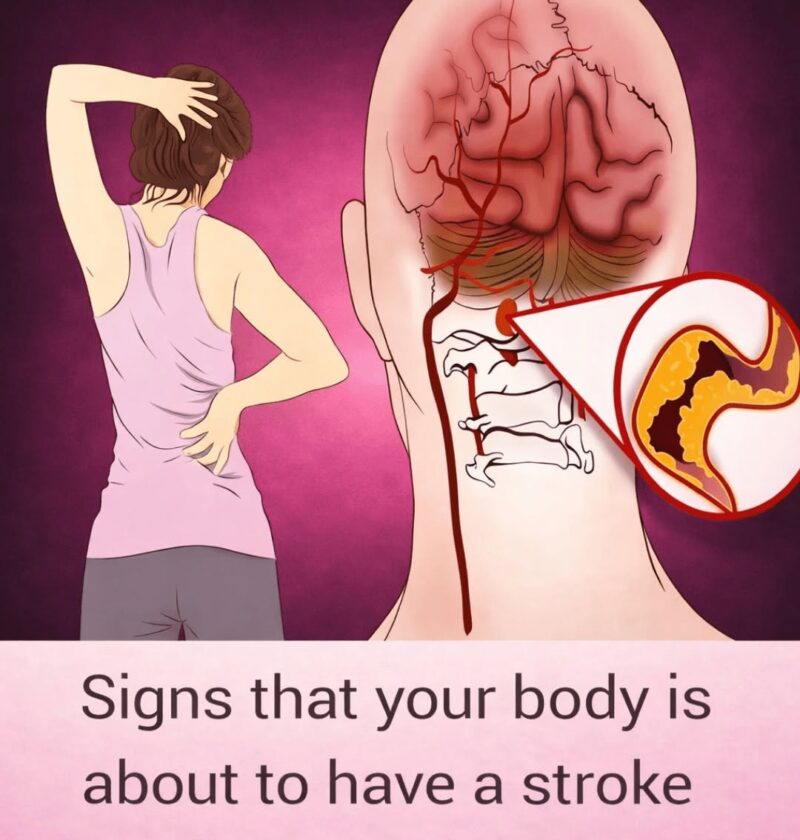
A stroke happens when blood flow to part of the brain is interrupted (ischemic stroke) or when a blood vessel in the brain bursts (hemorrhagic stroke). Fast recognition and treatment can greatly affect recovery, so knowing the warning signs is important.
A helpful way to remember common stroke symptoms is BE FAST:
1. Balance Problems
- Sudden dizziness
- Loss of coordination
- Trouble walking or maintaining balance
2. Eye or Vision Changes
- Sudden blurred vision
- Double vision
- Loss of vision in one or both eyes
3. Facial Drooping
- One side of the face may feel weak or numb.
- Ask the person to smile—one side may not move normally.
4. Arm or Leg Weakness
- Sudden weakness or numbness, especially on one side of the body.
- Ask the person to raise both arms—one may drift downward.
5. Speech Difficulty
- Slurred speech
- Trouble speaking or understanding words
- Confusion during conversation
6. Sudden Severe Headache
A sudden, intense headache that feels unusual—especially if it comes with other symptoms—may be a warning sign of a stroke.
7. Numbness or Tingling
Sudden loss of sensation in the face, arm, or leg—particularly on one side—should be taken seriously.
8. Confusion or Trouble Understanding
A person may suddenly have difficulty:
- Following instructions
- Recognizing familiar things
- Communicating clearly
9. Trouble Swallowing
Stroke can affect the muscles involved in swallowing, causing coughing, choking, or difficulty eating and drinking.
10. Sudden Loss of Strength or Function
Any sudden change in the ability to move, speak, see, or think normally requires urgent attention.
What To Do: Act FAST
If you notice possible stroke symptoms:
- Call emergency services immediately.
- Note the time symptoms started (or the last time the person was known to be well).
- Do not wait to see if symptoms improve.
- Do not give food, drink, or medication unless advised by medical professionals.
Some stroke treatments work best when given quickly, and delays can lead to greater brain injury.
Remember:
Stroke symptoms can appear suddenly, and they may come and go. Even if symptoms disappear after a few minutes, it could be a transient ischemic attack (TIA)—sometimes called a “mini-stroke”—which can be a warning sign of a future stroke.
If you suspect a stroke, treat it as an emergency and seek immediate medical help.