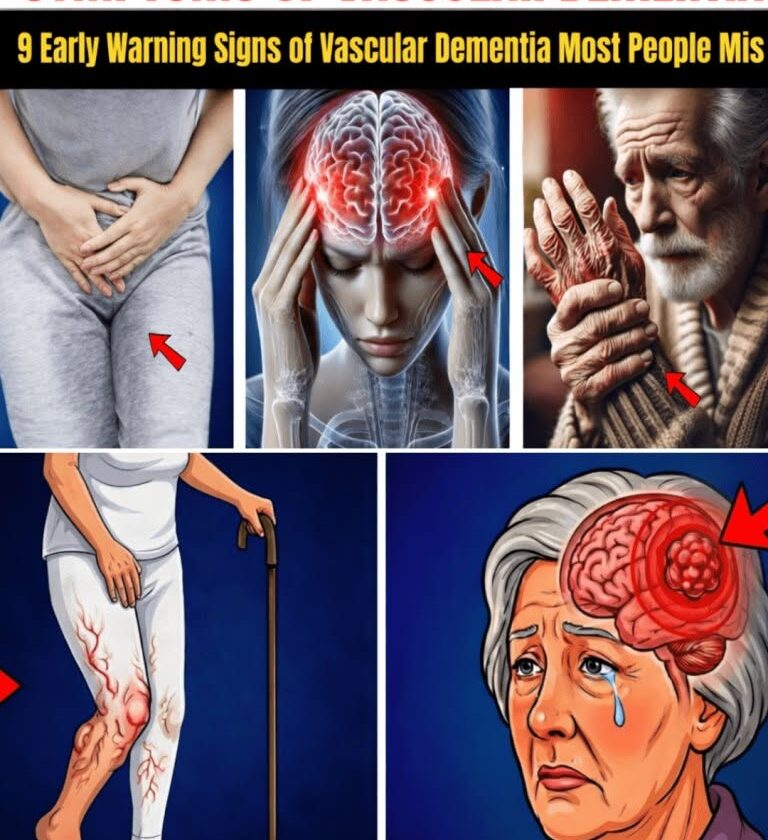
vascular dementia is the second most common type of dementia after Alzheimer’s disease. It develops when reduced blood flow damages brain tissue, often after one or more strokes or due to disease affecting small blood vessels in the brain.
Headlines like “Especially Number 3” are clickbait. There isn’t one symptom that’s uniquely more important than the others. Early symptoms vary from person to person.
9 early signs that may occur
- Difficulty planning or organizing
- Trouble following steps or making decisions.
- Difficulty managing finances or familiar tasks.
- Slower thinking
- Taking longer to process information or respond.
- Trouble concentrating.
- Problems with attention
- Becoming easily distracted.
- Difficulty staying focused on a conversation or task.
- Memory problems
- Forgetfulness can occur, although it may be less prominent early on than in Alzheimer’s disease.
- Changes in walking or balance
- Slower gait.
- Unsteadiness or more frequent falls.
- Mood or personality changes
- Depression, anxiety, irritability, or apathy.
- Urinary urgency or incontinence
- In some people, bladder symptoms occur alongside thinking and walking changes.
- Difficulty finding words or communicating
- Trouble expressing thoughts or following conversations.
- Confusion that appears suddenly or worsens in steps
- Symptoms may remain stable for a while and then worsen after another stroke or vascular event.
Risk factors
The same factors that increase the risk of stroke also increase the risk of vascular dementia, including:
- hypertension
- diabetes mellitus
- High cholesterol
- Smoking
- atrial fibrillation
When to seek medical evaluation
See a healthcare professional if someone develops:
- Persistent changes in memory or thinking.
- New problems with walking or balance.
- Difficulty managing everyday activities.
- Sudden neurological symptoms such as weakness, facial drooping, or trouble speaking (these require immediate emergency care because they could indicate a stroke).
Bottom line
Early recognition of vascular dementia is important because managing risk factors—especially blood pressure, diabetes, cholesterol, and smoking—may help slow further damage and reduce the risk of additional strokes. While the condition cannot usually be reversed, early diagnosis can improve treatment planning and quality of life.