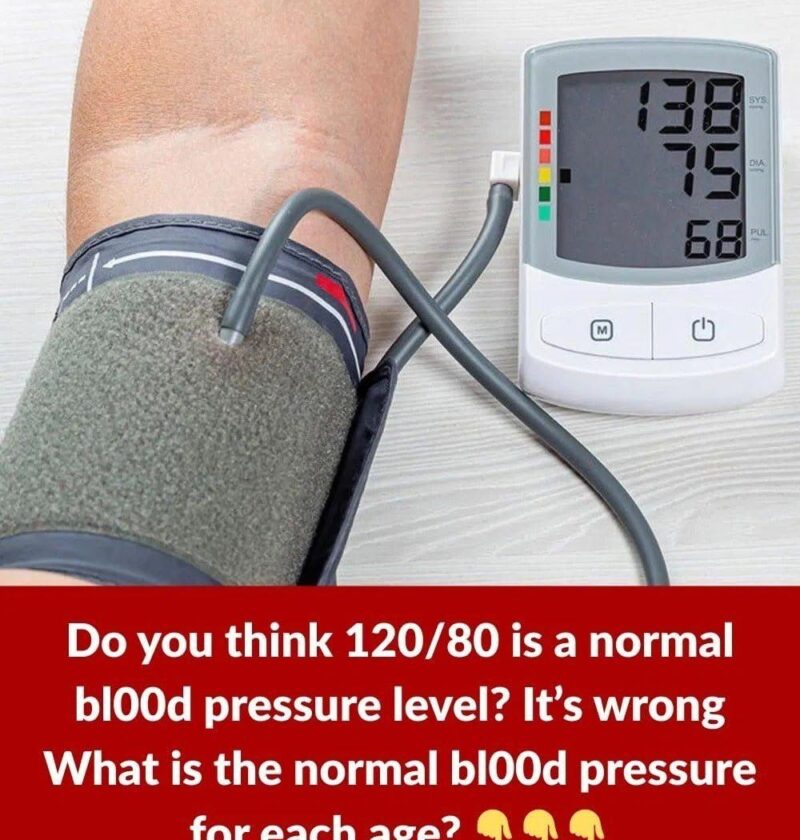
The idea that there is a different “normal blood pressure” number for every age is a common misconception. Blood pressure often rises as people get older, but there is no single age-based chart that applies to everyone. Doctors consider your overall health, medical conditions, and risk factors.
General adult blood pressure categories
| Category | Top number (Systolic) | Bottom number (Diastolic) |
|---|---|---|
| Normal | Less than 120 | Less than 80 |
| Elevated | 120–129 | Less than 80 |
| High blood pressure – Stage 1 | 130–139 | or 80–89 |
| High blood pressure – Stage 2 | 140 or higher | or 90 or higher |
| Very high (urgent) | 180 or higher | and/or 120 or higher |
Common healthy ranges by age (approximate, not strict targets)
- 18–39 years: often around 110–130 / 70–80 mmHg
- 40–59 years: often around 120–135 / 70–85 mmHg
- 60+ years: may be slightly higher on average, but many adults are still advised to aim for below 130/80 mmHg depending on their health
Keep in mind
- One high reading does not always mean you have high blood pressure.
- Blood pressure can temporarily rise due to stress, pain, caffeine, exercise, or illness.
- Older adults may have personalized targets, especially if they have heart disease, kidney disease, diabetes, or take multiple medications.
For the most accurate interpretation, share your age and your blood pressure reading (for example, 145/90 or 118/76).