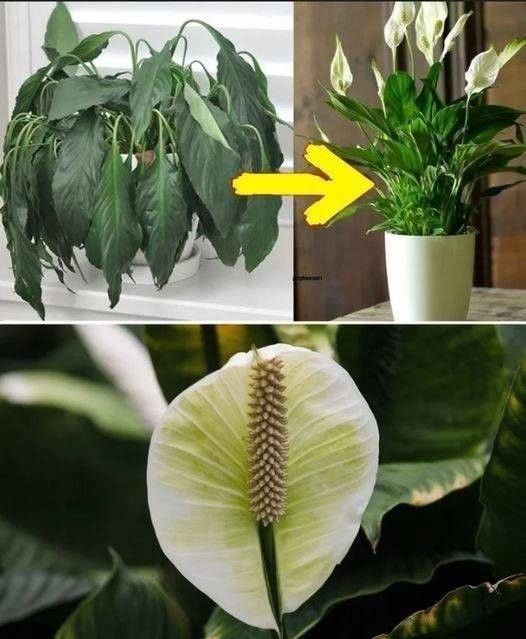
The headline “Place a Tablespoon on Any Plant at Home: What to Expect” is a common clickbait gardening claim. It’s misleading because there is no single tablespoon of any ingredient that is beneficial for every houseplant.
The effect depends entirely on what the tablespoon contains and the type of plant. Here are some common examples:
- Compost or worm castings: A small amount can provide nutrients for many plants.
- Coffee grounds: Not a universal fertilizer. They can improve compost but may compact soil, alter its acidity, or promote mold if applied directly in excess.
- Baking soda: Not a fertilizer. It has limited use for some fungal issues but can damage plants if overused.
- Cinnamon: Sometimes used to reduce fungal growth on seedlings, but evidence is limited and it is not a fertilizer.
- Epsom salt (magnesium sulfate): Only helps plants that actually have a magnesium deficiency. Routine use is unlikely to benefit most plants and may upset the balance of nutrients in the soil.
- Rice water: May contain small amounts of nutrients, but it is not a substitute for proper fertilizer, and unfermented rice water can spoil if left standing.
What actually helps most houseplants?
For healthy growth, focus on:
- Providing the right amount of light for the species.
- Watering when the soil needs it—not on a fixed schedule.
- Using a balanced fertilizer according to the label during the growing season.
- Planting in appropriate, well-draining potting mix.
- Repotting when the plant becomes root-bound.