7 Walking Mistakes That Can Affect Your Health After 50 🚶♂️
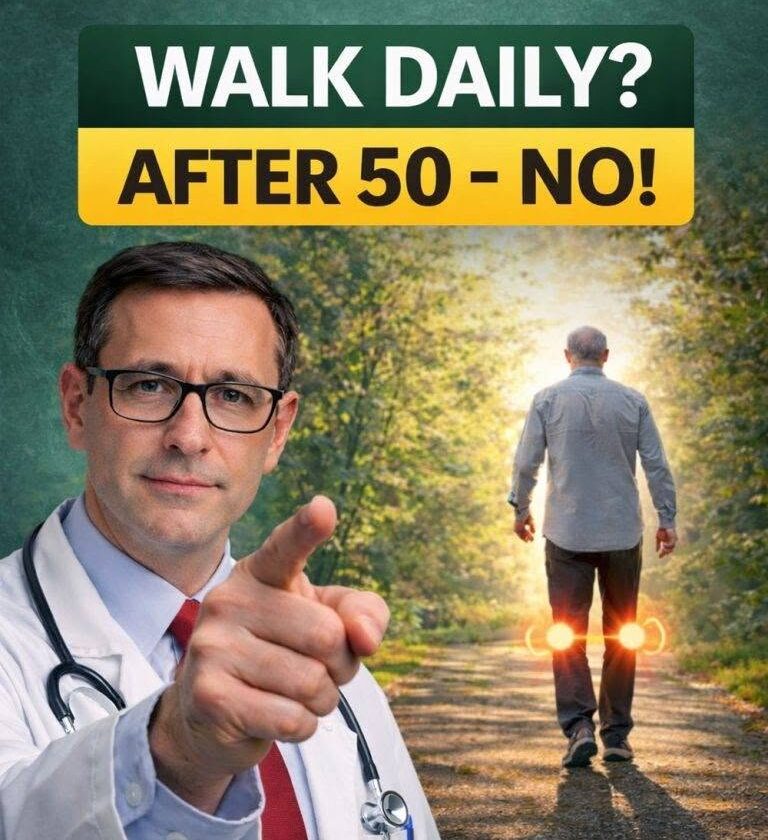
Walking is one of the simplest and most beneficial forms of exercise as we age. But how you walk, how much you walk, and how you respond to your body’s signals all matter.
These aren’t mistakes that will harm everyone, but they’re habits worth avoiding—especially if you have joint, heart, or balance problems.
1. 🚶 Walking too much, too soon
If you’ve been inactive, suddenly increasing your distance or speed can lead to muscle soreness and overuse injuries. Start gradually and increase your activity over time.
2. 👟 Wearing the wrong shoes
Worn-out soles, loose shoes, poor fit, or inadequate traction can make walking less comfortable and increase the risk of falls. Choose shoes that fit securely and feel stable.
3. 🐢 Never increasing your pace
A comfortable walk is still beneficial. But if you’re physically able, occasionally walking at a moderate intensity can provide greater cardiovascular benefits. At moderate intensity, you’re breathing faster but can generally still hold a conversation.
4. 🪑 Sitting for most of the day
A single walk doesn’t completely compensate for spending many hours sitting. Try to break up long periods of sitting with short bouts of movement throughout the day.
5. ⚖️ Treating walking as your only exercise
Walking is excellent aerobic exercise, but older adults also benefit from strength and balance exercises. Combining all three can help maintain mobility and independence.
6. 🦵 Walking through significant pain
Don’t assume persistent or worsening pain is simply part of getting older. Reduce or modify the activity and seek professional advice if pain continues, is severe, or interferes with normal activities.
7. ❤️ Ignoring warning symptoms
Chest pain or pressure, fainting, severe shortness of breath, or significant dizziness during exercise should not be dismissed as normal aging. Stop exercising and seek appropriate medical attention