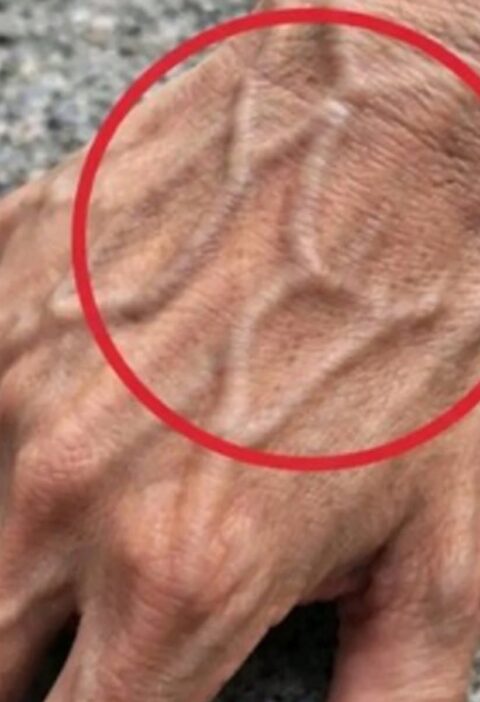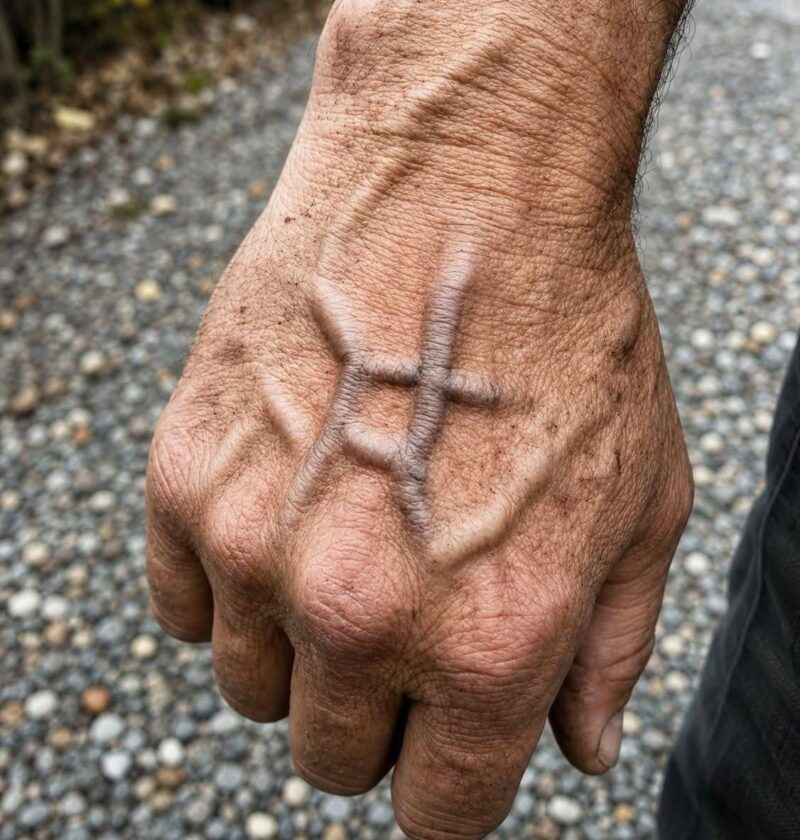
If you mean the viral headline “If you have visible veins, it means you are…”, visible veins do not automatically indicate a health problem.
Prominent veins can be completely normal, especially when you:
- Have low body fat, making veins easier to see
- Exercise regularly or have more muscle
- Are warm, which causes blood vessels near the skin to widen
- Have naturally thin or fair skin
- Are getting older, as skin becomes thinner and loses elasticity
When visible veins deserve attention
A new or suddenly prominent vein, particularly if it’s accompanied by pain, swelling, redness, warmth, or tenderness, should be evaluated. A swollen, painful vein can sometimes be related to a blood clot or inflammation.
Also seek medical advice if veins become unusually prominent along with one-sided leg swelling or pain, or if you develop sudden chest pain or difficulty breathing.
So, visible veins alone usually aren’t a reliable sign of dehydration, poor circulation, high blood pressure, or a vitamin deficiency—claims often made in social-media posts. Their appearance depends on many normal factors.