🥜 “Doctors Reveal That Eating Cashews Causes…” — What’s the Truth?
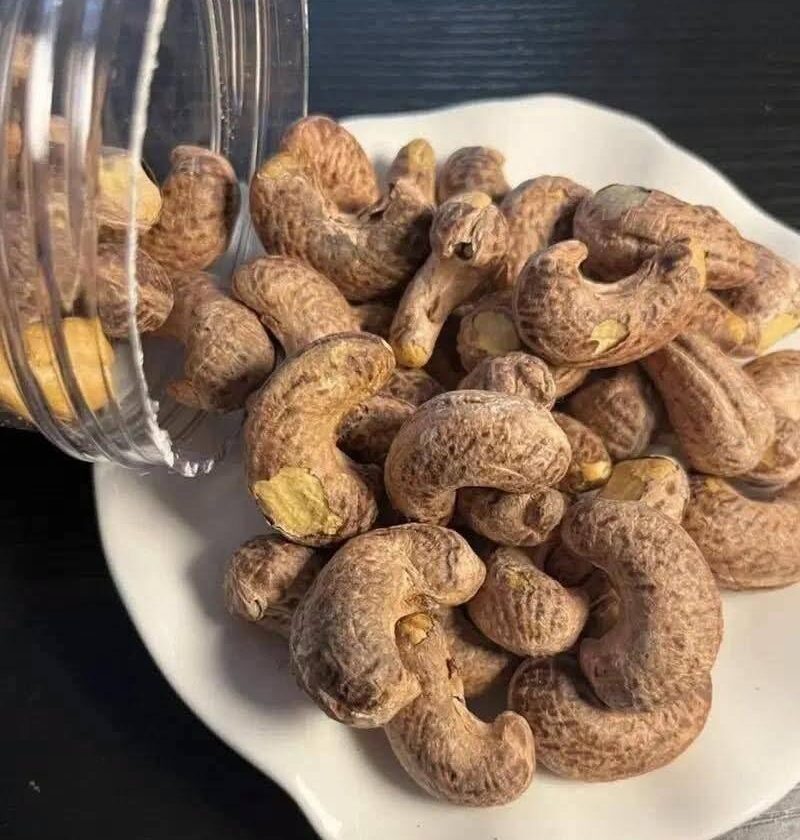
The headline is misleading if it suggests that cashews are generally dangerous. For most people, cashews can be a nutritious food, providing unsaturated fats, protein, fiber, magnesium, copper, and other nutrients. Research on nuts overall has generally associated moderate consumption with better cardiovascular outcomes. (Cleveland Clinic)
What can eating cashews cause?
- ⚠️ Allergic reactions: People with a cashew or tree-nut allergy can develop hives, swelling, vomiting, breathing difficulty, or potentially life-threatening anaphylaxis.
- ⚖️ Extra calorie intake: Cashews are calorie-dense, so very large portions can make it easier to consume more calories than intended. Salted varieties also contain additional sodium. (Cleveland Clinic)
- 🫘 Higher potassium intake: An ounce of cashews contains about 187 mg of potassium. That’s not normally a problem for healthy people, but people with impaired kidney function may need to limit potassium depending on their individual diet and treatment. (Office of Dietary Supplements)
- 🧂 More sodium from salted cashews: Plain or lightly roasted cashews are generally preferable if you’re watching sodium.
❤️ The good news
There is no evidence that ordinary cashew consumption causes a particular disease in healthy people. Nuts can be part of a balanced diet, and evidence overall supports moderate nut consumption for people without allergies. (PubMed)
Bottom line: Don’t let a “doctors reveal” headline convince you that cashews are inherently harmful. The important exceptions are nut allergies, portion size, and certain medical conditions such as kidney disease.