This headline is partly true, but exaggerated.
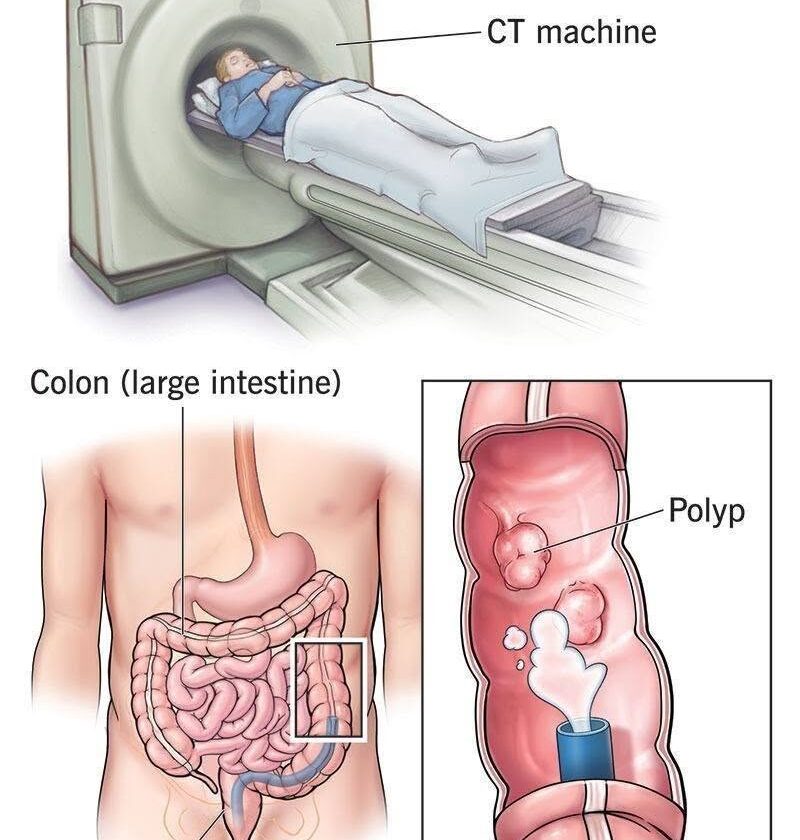
Researchers and healthcare systems are developing and using capsule colonoscopy (also called colon capsule endoscopy), a procedure in which a patient swallows a small capsule containing cameras. As the capsule travels through the digestive tract, it takes images of the colon and transmits them for analysis.
What is capsule colonoscopy?
Instead of inserting a flexible tube into the colon, the patient swallows a camera capsule that:
- Travels naturally through the digestive system
- Takes thousands of images
- Is later passed from the body naturally
The procedure is generally painless and does not require the insertion of a scope into the colon.
Potential advantages
Less invasive
Many patients prefer swallowing a capsule rather than undergoing a traditional colonoscopy.
No sedation in most cases
Unlike standard colonoscopy, capsule procedures generally do not require sedation.
Greater convenience
Patients can often continue many normal daily activities while the capsule moves through the digestive tract.
Why traditional colonoscopy is still important
Despite promising advances, standard colonoscopy remains the gold standard for detecting and treating many colon conditions.
The biggest limitation of capsule technology is that it can only see.
It cannot:
- Remove polyps
- Take tissue samples (biopsies)
- Stop bleeding
- Perform treatment during the examination
If the capsule finds something suspicious, a conventional colonoscopy is often still required.
Current status
Capsule colonoscopy is already available in some healthcare systems and may be used as an alternative in selected patients, particularly when a standard colonoscopy is incomplete, unsuitable, or declined by the patient. However, it has not completely replaced conventional colonoscopy.
Bottom line
The claim that colonoscopy will “no longer be an invasive examination” is an overstatement. New technologies such as colon capsule endoscopy are making colon evaluation less invasive and more comfortable for some patients, but traditional colonoscopy remains the most comprehensive test because it can both diagnose and treat problems during the same procedure.
As technology improves, capsule-based methods may become more common, but they are currently a complement to—not a complete replacement for—standard colonoscopy.