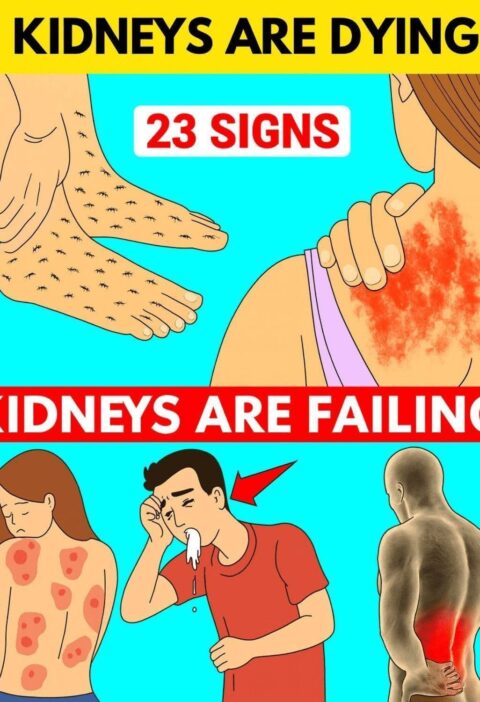
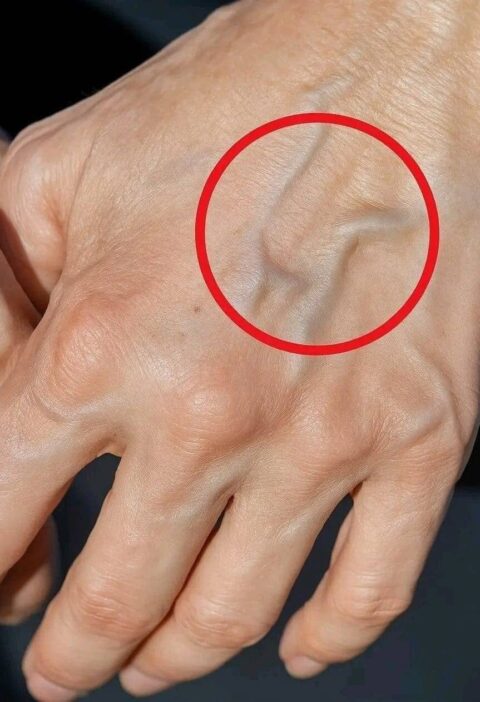
Small white spots on the arms and legs can come from several different causes, and most are harmless—but a few need proper evaluation. The key is what they look like, how they behave, and whether they spread.
Here are the most common possibilities:
1. Idiopathic Guttate Hypomelanosis (most common)
Small, flat white “confetti-like” spots, often on sun-exposed areas like arms and legs.
- Common in adults over 30–40
- Caused by sun damage over time
- Not dangerous or contagious
- Permanent but harmless
2. Pityriasis Versicolor (fungal infection)
Pityriasis versicolor is caused by a yeast that affects skin pigmentation.
- Can appear as small lighter patches
- Often slightly scaly or itchy
- More noticeable after sun exposure
- Treatable with antifungal creams or shampoos
3. Vitiligo
Vitiligo is an autoimmune condition where pigment-producing cells are lost.
- Sharply defined white patches
- Can slowly spread
- Often symmetrical
- Not painful or contagious
4. Post-inflammatory hypopigmentation
- Happens after skin injury, acne, eczema, or insect bites
- Skin loses pigment temporarily
- Often fades slowly over time
5. Dry skin / mild eczema
- Small pale patches with dryness or itching
- Often improves with moisturizers
When to be concerned
You should consider seeing a dermatologist if:
- Spots are spreading quickly
- Edges are very sharp and bright white
- You also notice hair turning white in those areas
- Itching, scaling, or irritation is present
Bottom line
Most small white spots on arms and legs are either harmless sun-related changes or treatable conditions like fungal infection. Only a few (like vitiligo) need long-term management.
If you want, describe what your spots look like (size, whether they itch, and how long you’ve had them), and I can help narrow it down more accurately.