That headline is clickbait. There’s nothing “hidden” that doctors are hoping you don’t discover about Metoprolol. Its side effects are well-known, studied, and routinely monitored.
Metoprolol is a beta-blocker, meaning it slows the heart rate and reduces the heart’s workload. Most side effects come directly from that mechanism.
⚠️ 10 known side effects of Metoprolol
1) 💤 Fatigue / low energy
Very common, especially when starting treatment.
2) 🐢 Slow heart rate
Expected effect, but sometimes it becomes too low in sensitive people.
3) 🧠 Dizziness or lightheadedness
Often due to lowered blood pressure.
4) ❄️ Cold hands and feet
Reduced circulation to extremities.
5) 😴 Sleep problems or vivid dreams
Metoprolol can affect brain receptors in some people.
6) 🫁 Shortness of breath (in some cases)
More likely in people with asthma or airway sensitivity.
7) ⚖️ Mild weight gain
Usually due to reduced activity tolerance or metabolic changes.
8) 😔 Low mood or depression-like symptoms
Reported in some users, but not everyone experiences it.
9) 💔 Sexual dysfunction
Can include reduced libido or erectile dysfunction.
10) ⚡ Masking low blood sugar symptoms
Important for people with Diabetes mellitus because warning signs like rapid heartbeat may be less noticeable.
🧠 Important reality check
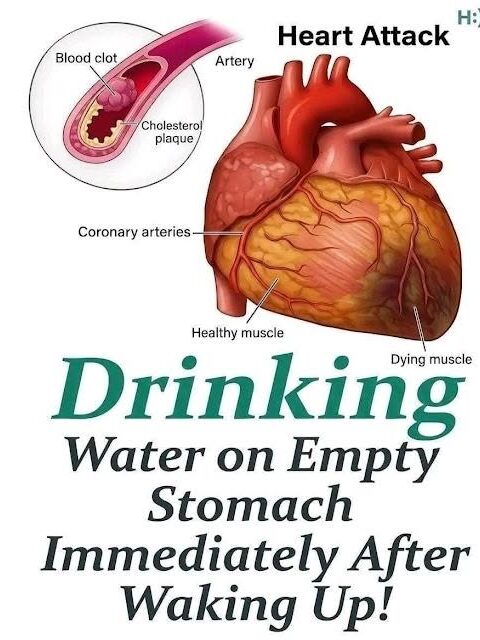
Metoprolol is prescribed because it reduces risk of serious events like heart attack, stroke, and dangerous arrhythmias.
Most side effects are:
- dose-related
- predictable
- manageable or reversible with adjustment
🚨 When to contact a doctor
- fainting or severe dizziness
- very slow pulse with symptoms
- breathing difficulty
- extreme fatigue affecting daily life
⚖️ Bottom line
There are no “secret dangers”—just known, monitored effects that are balanced against strong heart-protective benefits.
If you want, I can compare metoprolol vs amlodipine side effects side-by-side so you can clearly see which causes more fatigue, swelling, or dizziness.