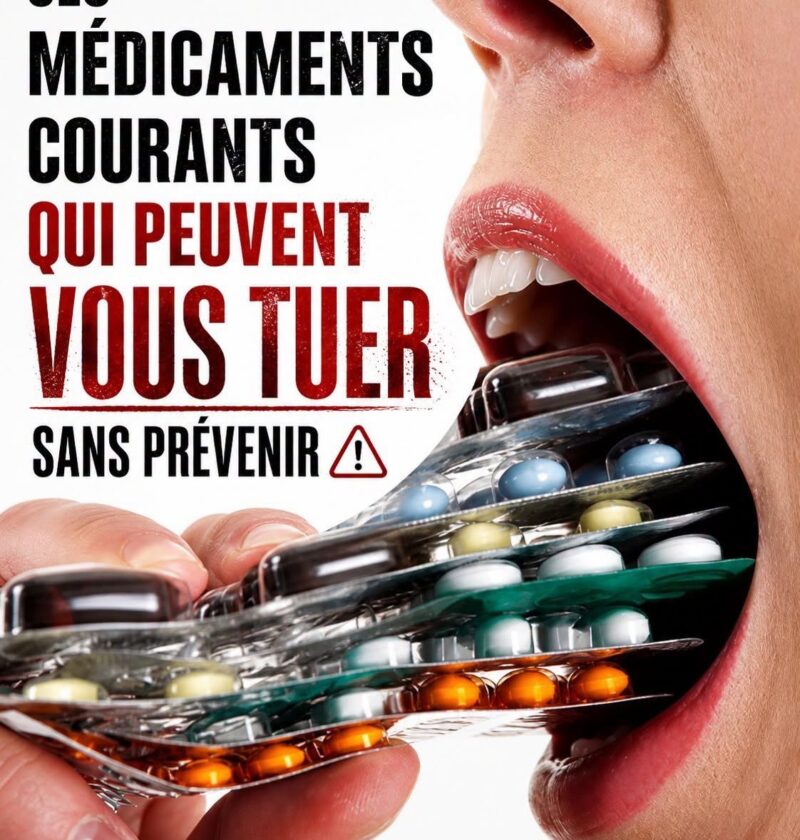
⚠️ “Top 10 Medications That Could Kill You” — A More Accurate Way to Look at It
There isn’t a responsible list of medications that are simply “killers.” Almost any medication can become dangerous with the wrong dose, drug combination, medical condition, or accidental overdose. Many of the medicines below are also lifesaving when used correctly.
Some important examples of medications that can cause serious or potentially fatal harm when misused or overdosed include:
- Opioid pain medicines — such as morphine, oxycodone and hydrocodone. Overdose can dangerously suppress breathing. Naloxone can reverse an opioid overdose and save a life.
- Acetaminophen (paracetamol) — excessive amounts can cause severe liver injury, liver failure and death. It’s particularly easy to overdose accidentally because it appears in hundreds of prescription and OTC products.
- Insulin and certain diabetes medicines — excessive doses can cause dangerously low blood sugar.
- Anticoagulants (“blood thinners”) — medicines such as warfarin and some newer anticoagulants can cause serious bleeding.
- Benzodiazepines — such as diazepam or alprazolam can cause profound sedation and become particularly dangerous when combined with opioids or alcohol.
- Digoxin — excessive levels can cause serious heart-rhythm disturbances.
- Certain heart-rhythm medicines — some can cause dangerous arrhythmias if the dose or blood concentration becomes excessive.
- Tricyclic antidepressants — overdose can cause seizures, dangerous heart rhythms and loss of consciousness.
- Some blood-pressure medicines — particularly certain calcium-channel blockers, can cause profound low blood pressure and abnormal heart rhythms in overdose.
- Certain chemotherapy and other highly potent medicines — toxicity can be severe if dosing or administration is incorrect.
🚨 The important distinction
These medicines aren’t inherently “deadly.” They’re prescribed because their benefits can be substantial. The danger comes from things such as accidental double-dosing, taking someone else’s medication, drug interactions, impaired kidney/liver function, or taking more than prescribed.
For example, FDA specifically says acetaminophen is safe and effective when used as directed, but exceeding the recommended amount can cause liver failure and death