Urine color can give basic clues about hydration and sometimes health, but it’s not a diagnosis on its own. Foods, medications, and vitamins can also change urine color.
Here’s a simple guide:
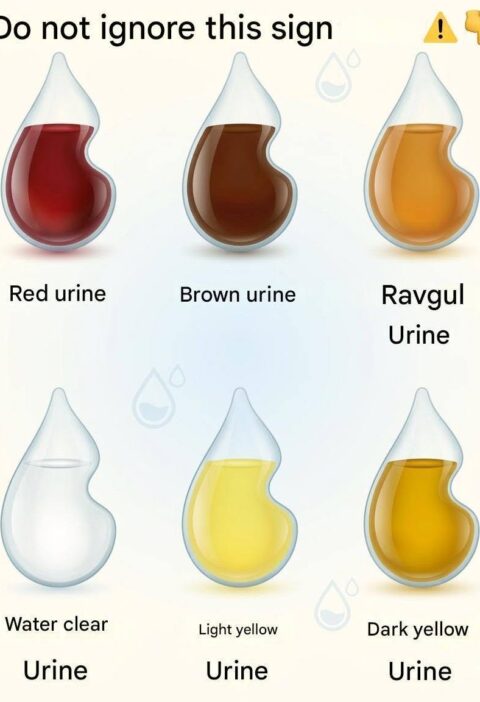
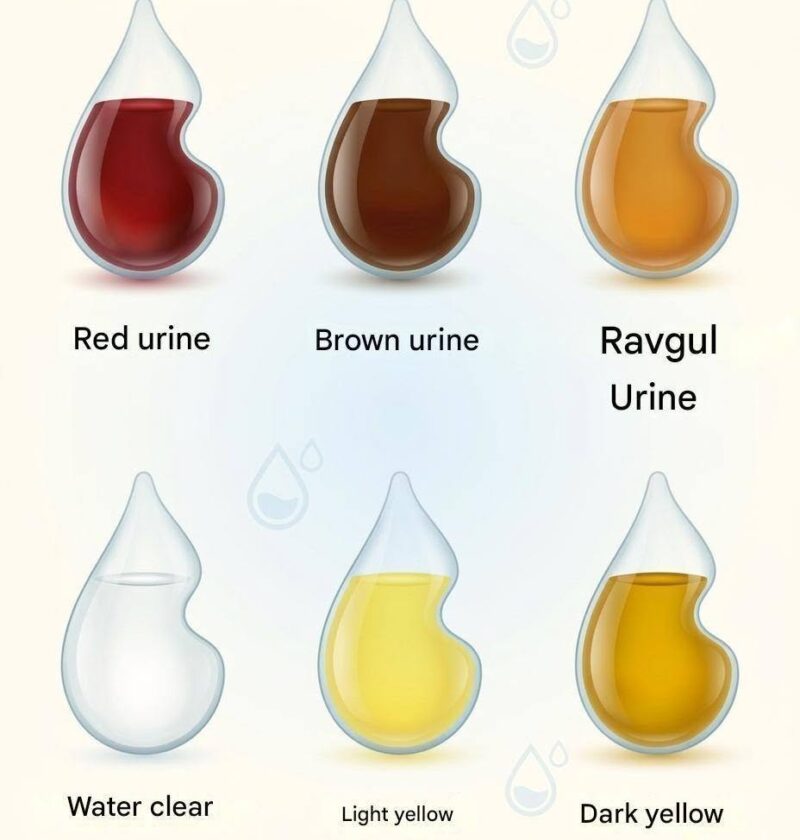
🟡 Pale yellow (light straw color)
- Usually normal and healthy
- Indicates good hydration balance
⚪ Very clear urine
- You may be drinking a lot of water
- Usually not dangerous, but constantly clear urine can mean overhydration
🟠 Dark yellow / amber
- Most common sign of dehydration
- You may need more fluids
🟠 Orange urine
Possible causes:
- Dehydration
- Certain medications or vitamins (especially B-complex)
- Rarely liver or bile issues if persistent
🔴 Pink or red urine
- May come from foods like beets or berries
- Could also indicate blood in urine (needs medical check)
🟤 Brown / tea-colored urine
- Severe dehydration
- Liver problems or certain medications
- Muscle breakdown in rare cases (needs evaluation)
🟢 Blue or green urine (rare)
- Usually from dyes or medications
- Rare medical conditions in uncommon cases
🌫️ Cloudy urine
- Can be dehydration or harmless crystals
- May indicate a Urinary tract infection if paired with burning, fever, or odor
⚠️ When to see a doctor
Seek medical advice if you notice:
- Blood (red/pink) without food cause
- Persistent brown or dark urine
- Cloudy urine with pain or burning
- Fever or back pain
- Sudden unexplained changes lasting more than 1–2 days
🧾 Bottom line
Most urine color changes are due to hydration, diet, or vitamins, but persistent unusual colors—especially with symptoms—should be checked.
If you want, I can also explain what urine smell, foam, or frequency changes mean for your health.