Why Your Knees Hurt More Every Morning (It Isn’t Just Age)
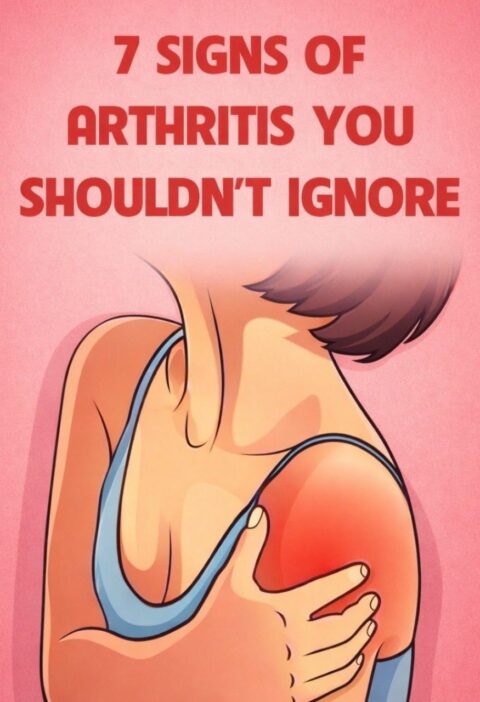
Waking up with stiff or painful knees is common, but it is not always simply a normal part of getting older. Morning knee pain can happen for several reasons, from everyday wear and tear to inflammation or injuries.
Possible reasons your knees hurt more in the morning:
- Osteoarthritis (wear-and-tear arthritis)
- The cartilage that cushions the knee joint can gradually thin over time.
- Symptoms often include stiffness after rest, aching pain, swelling, and discomfort that improves after moving around.
- Inflammation in the joint
- Conditions such as rheumatoid arthritis or other inflammatory problems can cause:
- Longer-lasting morning stiffness
- Swelling or warmth around the joint
- Pain in multiple joints
- Fluid buildup or swelling
- Overnight, fluid can accumulate around an irritated joint, making the first steps of the day uncomfortable.
- Muscle weakness or tightness
- Weak thigh and hip muscles can put more stress on the knees.
- Tight muscles and tendons may make the joint feel stiff after being still.
- Previous injuries
- Old ligament injuries, meniscus problems, or fractures can contribute to recurring knee pain years later.
- Your sleeping position
- Keeping knees bent for long periods or putting pressure on a knee during sleep can sometimes increase morning discomfort.
What may help:
- Gentle stretching or slow movement before getting out of bed
- Low-impact exercise such as walking, swimming, or cycling
- Strengthening the muscles around the knee (especially thighs)
- Maintaining a healthy weight to reduce joint stress
- Using supportive footwear
- Applying heat for stiffness or cold for swelling, depending on what feels better
When to get medical advice:
Consider seeing a healthcare professional if you have:
- Severe or worsening pain
- A swollen, red, or hot knee
- Knee locking or giving way
- Inability to bear weight
- Morning stiffness lasting more than about 30–60 minutes
- Pain that does not improve with self-care
Morning knee pain is a symptom, not a diagnosis. Finding the cause can help you choose the right treatment rather than simply accepting it as aging.