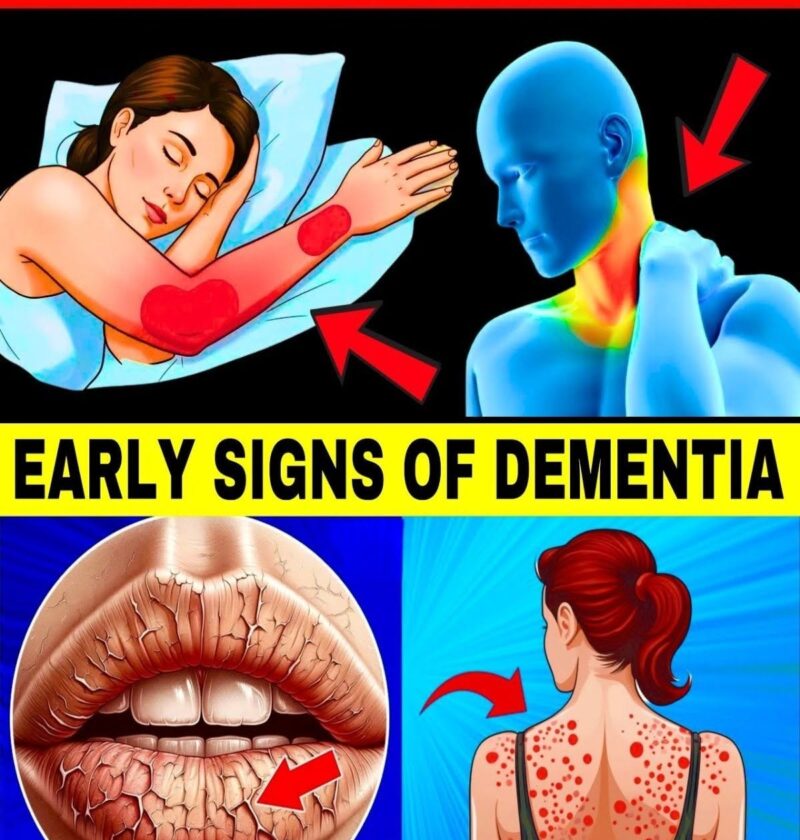
10 Early Signs of Dementia You Shouldn’t Ignore
The headline is a little dramatic: one of these signs does not mean someone has dementia. Many problems—including depression, poor sleep, medication side effects, vitamin B12 deficiency, thyroid problems, infections, and other medical conditions—can affect memory and thinking.
However, persistent or progressively worsening changes that interfere with everyday life deserve medical evaluation.
10 important warning signs
- Memory loss that affects daily life — repeatedly forgetting recently learned information or important events.
- Repeating questions or stories — asking the same thing several times despite having just received an answer.
- Difficulty with familiar tasks — struggling with cooking, using familiar appliances, managing medications, or other routines once handled easily.
- Getting lost in familiar places — becoming disoriented in a neighborhood or location previously known well.
- Trouble finding or using words — frequently struggling to communicate or using unusual words for familiar objects.
- Problems with planning or problem-solving — difficulty following a familiar recipe, paying bills, or managing finances.
- Poor judgment — increasingly making decisions that are noticeably out of character or unsafe.
- Misplacing things and being unable to retrace steps — putting objects in unusual places and being unable to work out where they went.
- Withdrawal from normal activities — losing interest in hobbies, social activities, or things the person previously enjoyed.
- Changes in mood or personality — becoming unusually suspicious, anxious, fearful, confused, apathetic, or irritable.
🧠 What’s normal aging?
Occasionally forgetting a person’s name, misplacing your keys, or taking longer to remember a word can happen with normal aging. The bigger concern is when the problems become frequent, progressively worse, or interfere with everyday independence.
When should you see a doctor?
If you or a family member is experiencing noticeable, persistent changes in memory, thinking, behavior, or ability to perform everyday tasks, arrange a medical assessment. Early evaluation can identify treatable causes and, when dementia is present, help with diagnosis, planning and treatment.