🦴 The Five Drinks That May Be Worst for Bone Health
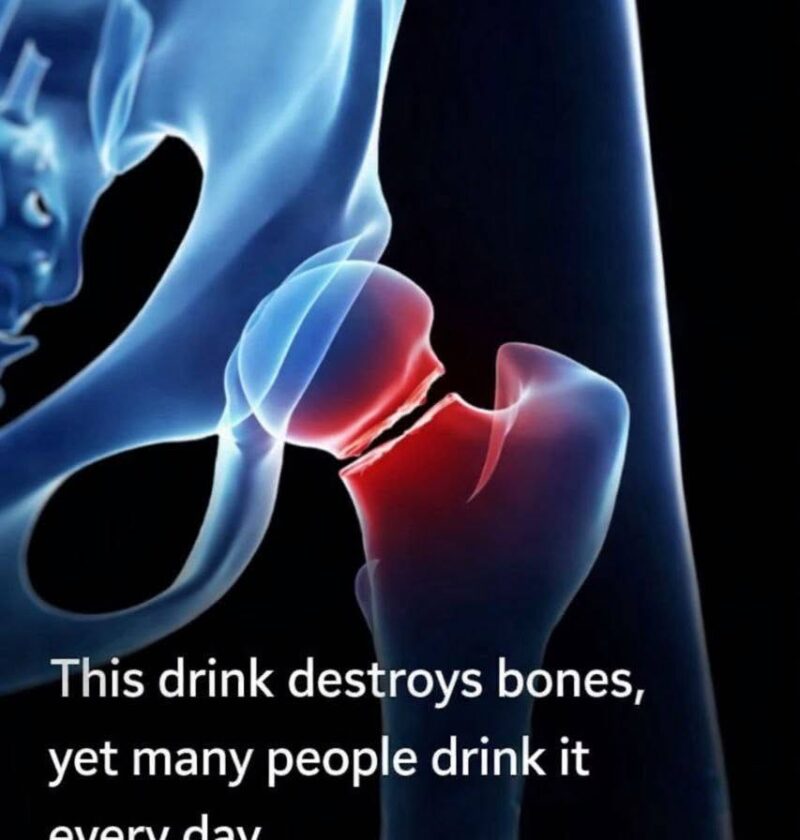
The headline “most harmful” is a little too strong. No single drink automatically weakens everyone’s bones. The bigger concern is frequent or excessive consumption, especially when these beverages replace calcium- and protein-rich foods or contribute to an unhealthy diet.
1. 🥤 Sugary soft drinks
Regular soda is the clearest beverage to limit. Studies have found an association between high consumption of sugar-sweetened/carbonated beverages and lower bone mineral density. The reason may involve the overall dietary pattern and replacement of more nutritious drinks such as milk, rather than carbonation itself. (PubMed)
2. 🍺 Excessive alcohol
Heavy alcohol consumption can interfere with calcium and vitamin D metabolism and is associated with a higher risk of osteoporosis and fractures. The National Institute on Aging recommends limiting alcohol for bone health. (National Institute on Aging)
3. ⚡ High-caffeine energy drinks
These can combine large amounts of caffeine with substantial added sugar. Excessive caffeine can modestly increase calcium loss, particularly when calcium intake is already low. (NCBI)
4. ☕ Very large amounts of coffee
You don’t need to give up coffee. Moderate intake generally isn’t considered a major threat to bone health. The concern is very high caffeine intake, particularly when someone isn’t getting enough calcium. (NCBI)
5. 🧋 Sugary specialty drinks
Sweetened iced coffees, milkshakes and similar drinks can contain large amounts of added sugar and calories while providing relatively little useful nutrition. Making these an everyday habit can work against an overall bone-healthy diet.
🥛 What should you drink instead?
For bone health, prioritize water and nutritious beverages that contribute calcium and/or vitamin D, such as fortified milk or fortified alternatives. Also make sure your diet provides adequate calcium, vitamin D and protein, and include weight-bearing or resistance exercise. (National Institute on Aging)
Important: You don’t need to fear every fizzy drink or cup of coffee. Plain sparkling water isn’t the same as cola, and moderate coffee consumption isn’t automatically harmful to bones. The strongest message is to limit excessive sugary drinks and alcohol while maintaining adequate calcium and vitamin D. (NCBI)